
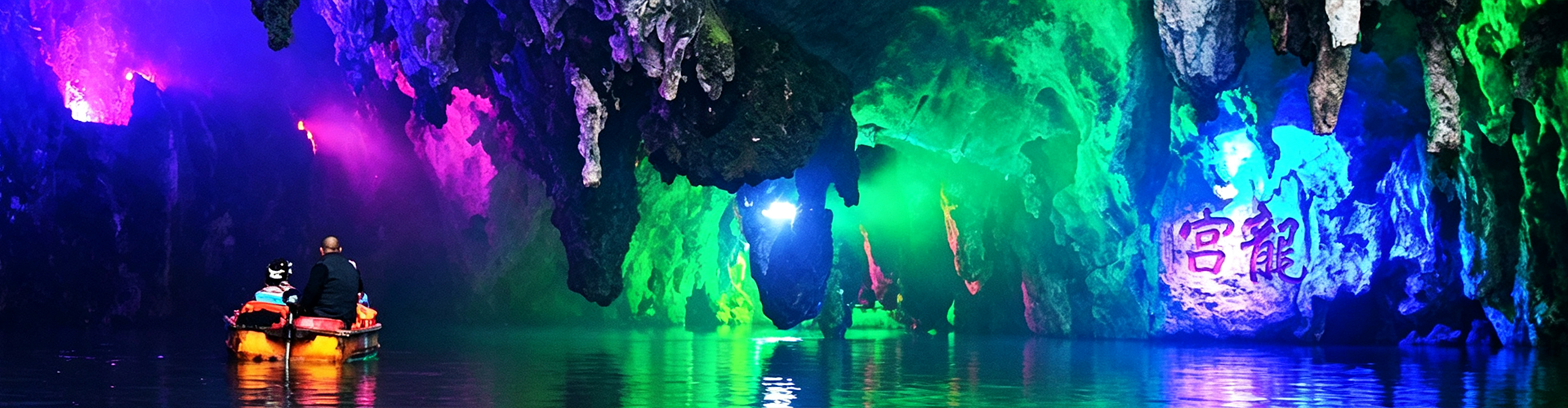

The Dragon Palace is a place of magnificent and diverse scenery.
Release Date: 2016-10-28
Views: 712
【Font Size: Large Medium Small】
Longgong is the most beautiful of the numerous spectacular caves on the Yunnan-Guizhou Plateau. It is located in the southern suburbs of Anshun City, Guizhou Province, adjacent to the Huangguoshu Scenic Area, and is 116 kilometers away from the provincial capital, Guiyang. It is one of the most maturely equipped and most splendid tourist attractions in Guizhou Province. The scenic area is remarkable for its underground river and cave formations, and integrates various karst geological landform landscapes such as dry caves, canyons, waterfalls, peak forests, sheer cliffs, streams, and stone forests. It is a national key scenic spot. It boasts the longest and most beautiful water cave in China, the largest cave temple, the largest cave waterfall in China, the lowest natural radiation dose rate in the world, and the most numerous and concentrated water and dry cave formations in the world.
Longgong is also one of the 12 factions in the game "Dream Fantasy World".
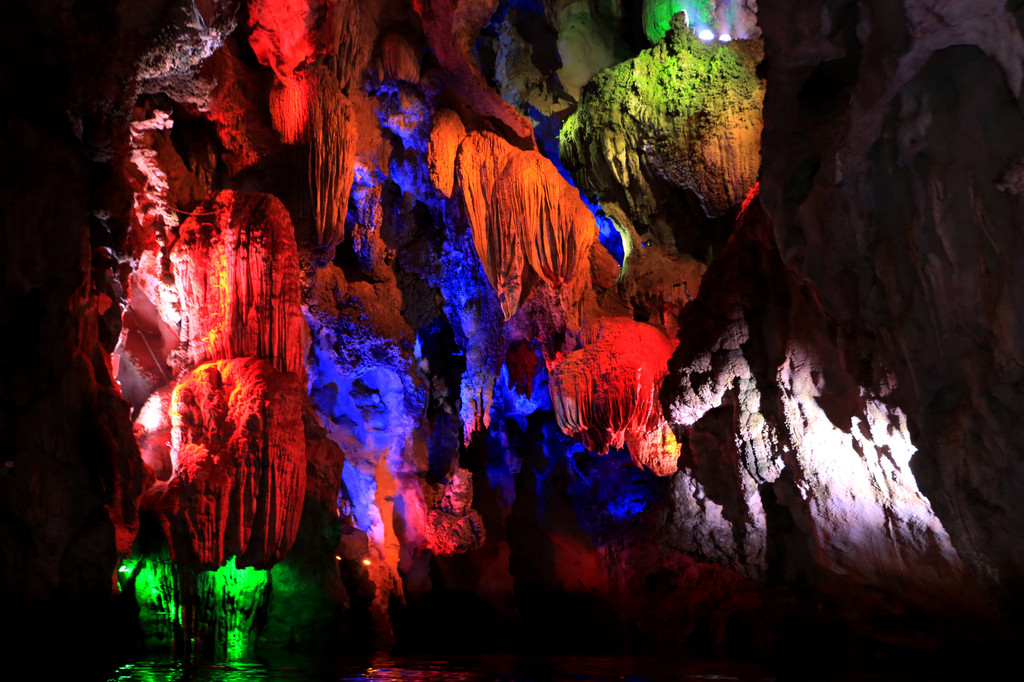
Long ago, I heard that the Dragon Palace in Guizhou was mysterious and full of charm, captivating everyone's imagination. However, due to the lack of opportunities, I had never been able to witness its splendor. Thanks to Ctrip, we were given this rare chance. This Saturday morning, we set off on a journey to visit the Dragon Palace.
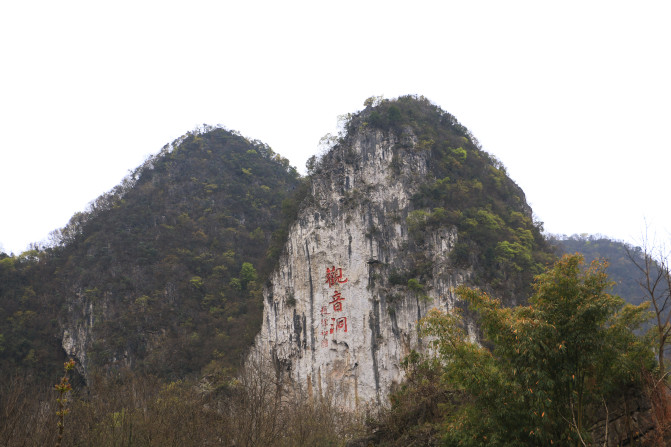
The sky was clear and the breeze was gentle. As soon as I got up in the morning, I was filled with excitement and set off on the journey to the scenic area. I walked through the winding mountains that were welcoming me along the way. Along the way, beneath the lush mountains, among the green trees and bamboo groves, there were charming villages.
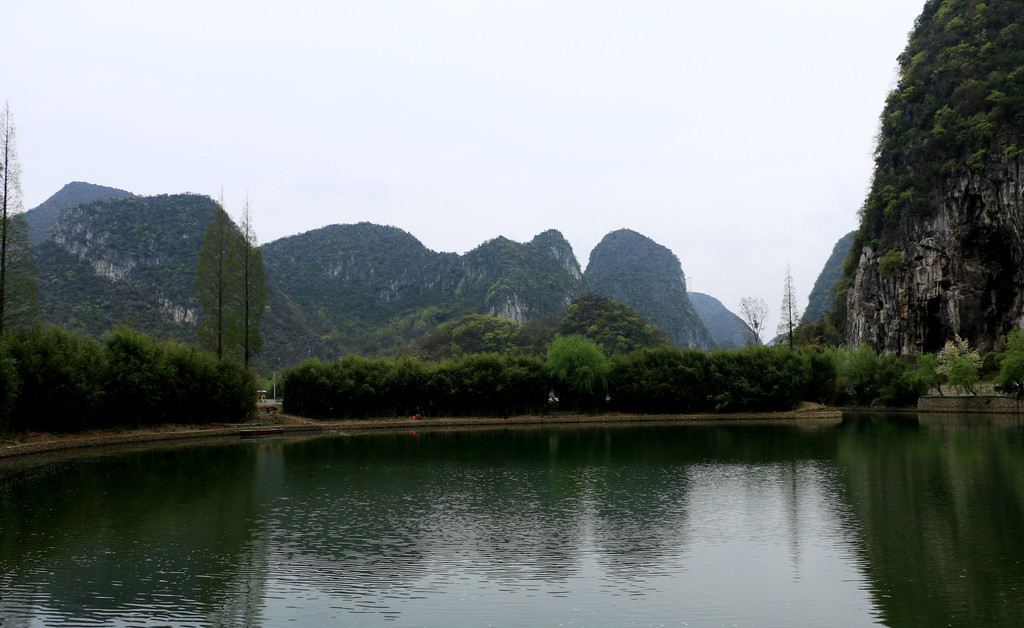
Entering the Longgong Scenic Area, what greets your eyes is a lush green lawn, where the gentle breeze causes ripples of blue water to rise. Next to the lawn is a small clear fishpond. In the pond, a group of ducks are joyfully leaping about. As they say, "The spring water warms up before the ducks know it." But now it's summer, and the temperature of the water in the Longgong Scenic Area must be well-known to the ducks by now. The blue sky, white clouds and the surrounding green mountains are clearly reflected in the vast expanse of clear water, merging the shimmering fishpond, the lawn and the mountains into a crystal-clear whole.
Across the shimmering Ming Lake Bridge, there are uncolored wooden pavilions. The wooden walls and tiled roofs are adorned with green tiles, and the eaves gently slope upwards, resembling a great bird spreading its wings to take flight. Below the bridge, faintly visible are the freely swimming red carp, swimming leisurely in the clear ripples. Occasionally, they will leap out of the water, creating fine ripples and scattering clusters of glittering water droplets.
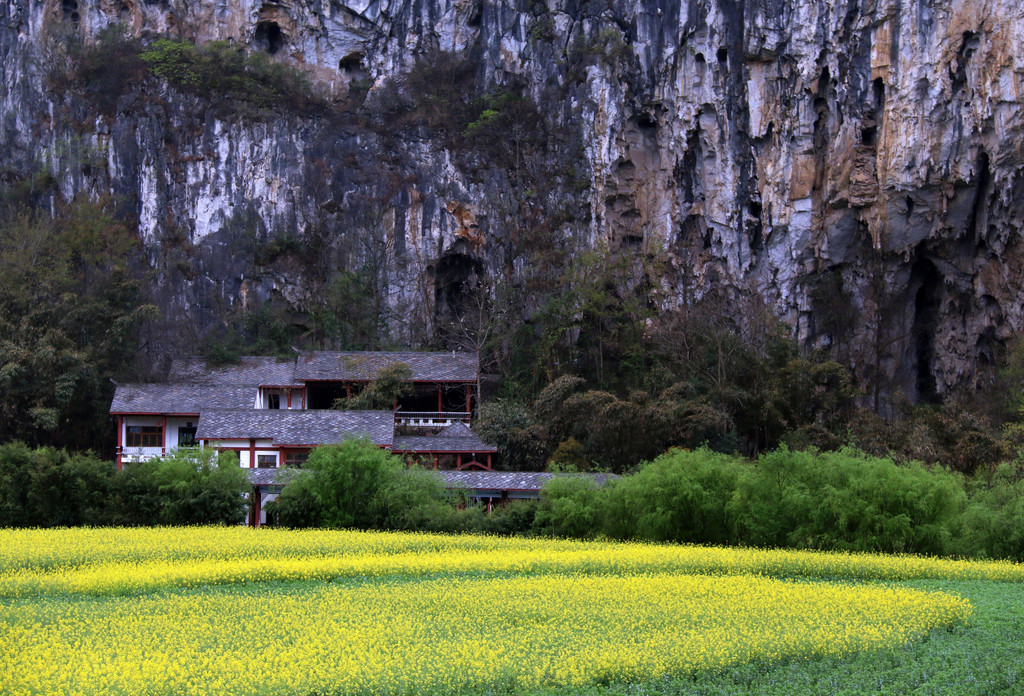
According to the guide dressed in a Bui ethnic costume, the Longgong Scenic Area is a place where not only the Han people but also the Bui, Miao, Gelao, and Tujia ethnic groups live together. Among the ethnic minorities, the Bui, whose ancestors belong to the Baiyue ethnic group, account for the majority. The Bui, who were the first to invent rice cultivation, have colorful and splendid clothing; and their folk crafts include batik, embroidery, and bamboo. Guided by the guide, walking along the winding mountain path that extends towards the Longgong and leaving countless footprints behind, surrounded by lush and verdant trees on both sides, from time to time, melodious bird calls, melodious cicada songs, the flowing sound of the spring water, and the whispering of the summer breeze can be heard. The Guifangzhou Scenic Area is a place surrounded by a clear lake with rippling reflections on the water, and hanging over the eaves of the wooden houses. It is located beside the water and the green mountains, coexisting with the universe; while the green water is like a gentle and serene beauty, constantly moistening the grass and trees on the mountains. From a distance, it looks like a folded silk ribbon cut from the blue sky; up close, it is like jade, smooth and shiny; if you reach out to touch it, it feels like the tender skin of a young girl. The lake shore is a collection of ancient and elegant pavilions and buildings, guarding this mountainous clear water and witnessing the inseparable bond between the mountains and the water.
Wulong Bridge is another bridge on Ming Lake, belonging to a type of beam bridge. Under the turbulent waves of the lake below the bridge, strange-shaped rocks resemble the dragon sons from Longzi Square, accompanying the tourists. After flying through the clouds and over the water for a while, they eventually, out of reluctance to leave their underwater home, stop at the shore of Ming Lake and, without exception, emerge their heads and tails from the emerald-like surface of the lake.
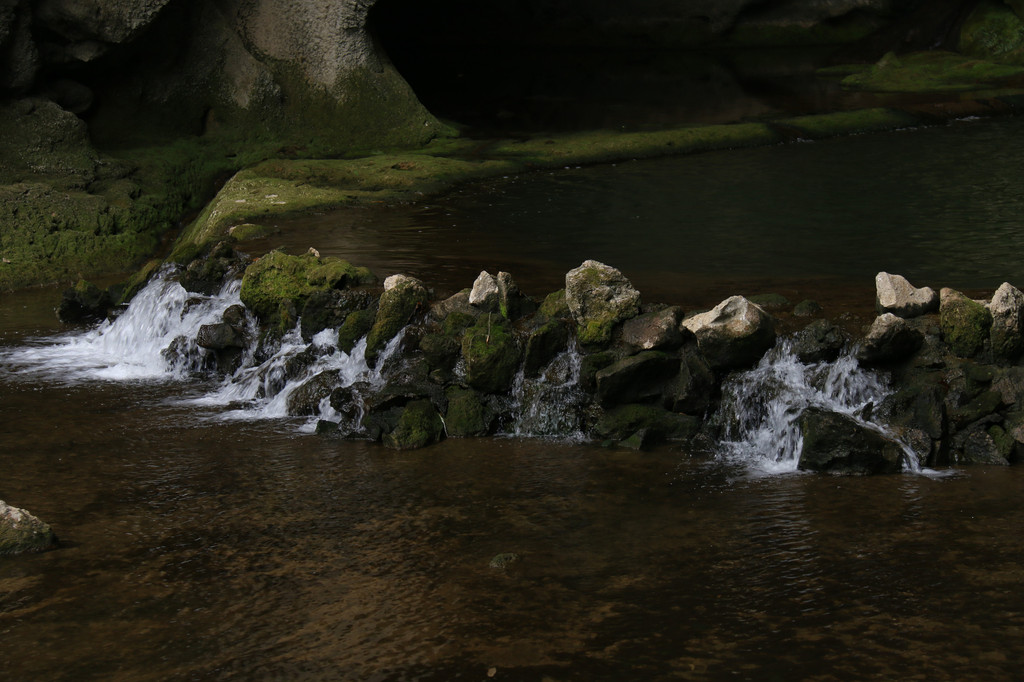
We followed the stream, walking along the winding stone steps surrounded by stone-carved railings, and strolled to a secluded corner on the back of the mountain ridge. It presented a unique charm. On both sides were towering cliffs and majestic mountains, and beneath our feet was the flowing and jubilant clear water. As the gentle stream gradually turned into a thunderous roar, we looked up and gazed: Ah! Before us lay a misty water cave. A spring from deep within the rock layer sprayed out from the sky window at the cave ceiling, and then was reflected by the cave wall into a misty stream like smoke and threads: The white waves were surging, like a dragon spouting water, or like a heavy downpour, making the area around the cave entrance enveloped in a light rain. However, including the members of our group, all of us were too captivated by this beautiful scene to notice the water mist sprayed out from the cave and dripping onto our clothes. We were carefree and refreshed, or in the water mist like curtains and gauzes, expressing the joy in our hearts, or leaving footprints and records in the rare and beautiful blue sky.
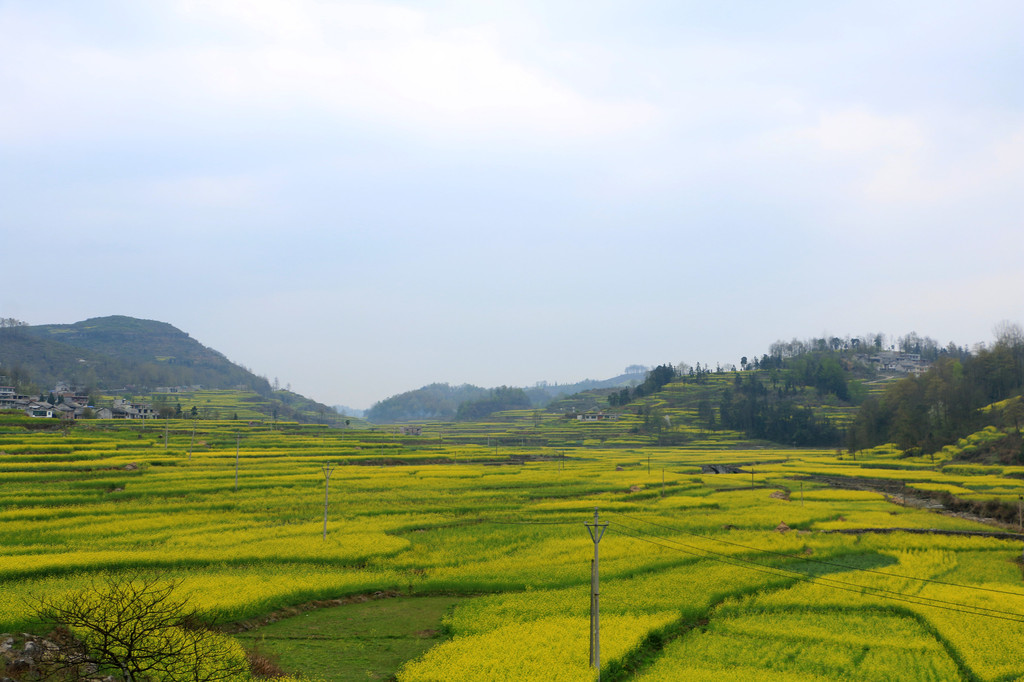
Looking up at the entrance of the cave, in a moment of carelessness, I felt that the cave was connected to the sky, as if swallowing the creation of the heavens and earth, stirring up the vitality in my chest. This was not a cave at all; it was clearly a river stirred by the celestial dragon! Look, the water mist, carrying the essence of the Jade Pool, is drifting and spreading, and the spring water, bathed in the sunlight, shines with a clear and transparent light. In the gentle breeze, layers of white waves rise in the cave, making a rustling sound as they flow in a series of sounds, spreading out towards the depth of the cave, giving a dreamlike and free-spirited feeling: The gentle like a lute is the clear spring water spurting from the depths of the rock layer; the heavy like a symphony of musical instruments is undoubtedly the turbulent current falling from the sheer cliff into the deep pool; and after flowing into the small stream, it is just like the gentle flutes and pipes, moistening the green mountains. The green mountains and the clear water are intertwined, creating a serene and elegant ink-wash landscape painting.
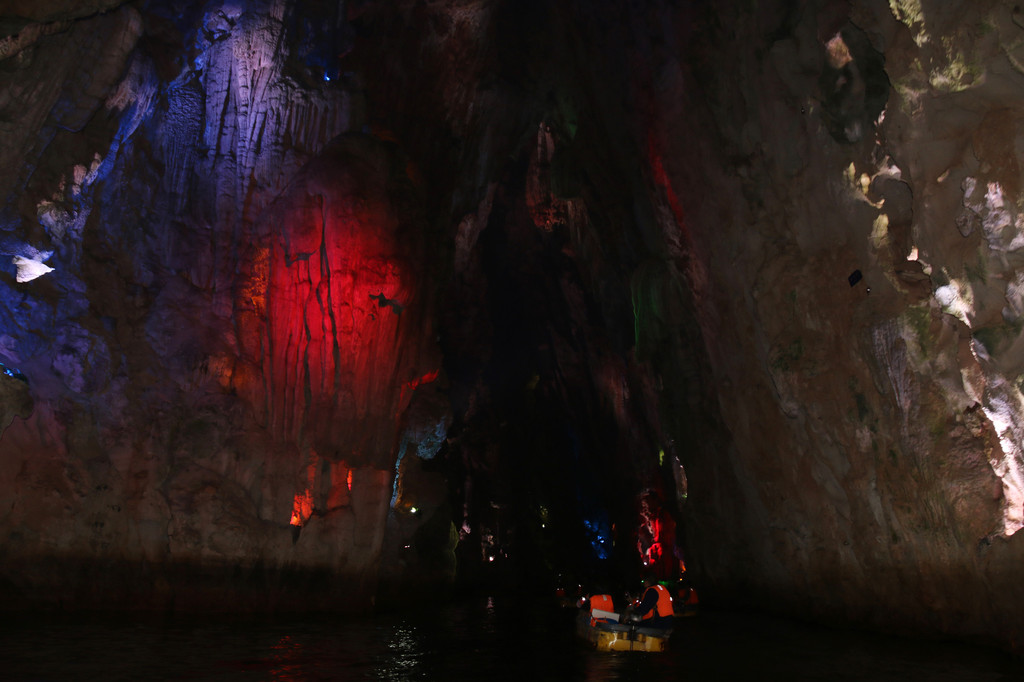
Following the guide through the gabled pavilions and terraces, in groups of nine, we carefully boarded the small yacht and took in the water cave. Inside the water cave, there was a pool of deep blue water flowing through the cave. As the yacht passed by, it created shallow ripples, which shattered the reflections of the weathered stone flowers, curtains, stalactites, curtains, and mosses hanging on the cave walls. There were also karst accumulations resembling water pavilions and covered walkways in the cave, which couldn't help but remind one of the ancient Chinese towns. This is different from the dry cave. The dry cave named Tiger's Den is one kilometer away from this water cave. It is about 400 meters long. It got its name because there are stalactites resembling a tiger in the cave. On the second day of the lunar calendar, the white dragon princess and the peasant boy who fell in love at first sight, blowing bamboo leaves, expressed their feelings, expressed their love, and secretly made a commitment for life. To stay together, the two did not hesitate to transform themselves into the beautiful tragic love story of stalactites, depicting the "Great Sword Breakfall" and "Couple Pillars" of stalactites vividly. This also made the rare dragon culture, simple religious beliefs and ethnic customs, and the wonderful natural landscape of karst geology and geomorphology complement each other perfectly. Thus, in the flickering dim cave lights, many more melancholy, helpless and reverie thoughts emerged in the heart.
If we say that the cave is an idyllic paradise, a different world, then the Buddha Cave is a pure and peaceful abode. The Guanyin Cave, which is known as the largest Buddha cave in China and is famous for its Buddha tower, is about several kilometers away from the Tiger Cave. It is connected with the Three Saints Temple, the Di Zang Cave, and the Nirvana Cave. It is several tens of meters high and over 300 meters long, with an area of approximately several thousand square meters. The cave is tall and spacious. Standing in front of the Buddha statue, in the serene and peaceful environment far from the hustle and bustle, apart from being able to appreciate the profound influence of the long-standing Buddhist culture on the rise and fall of the Chinese nation, you will also feel the powerful force of punishing evil and encouraging good, and the resonating Vedic sounds that make the good ones act virtuously from the bottom of their hearts, in the cave.
The mountain road is very long, but during these several hours of wandering in the mountains, you will only marvel at the beauty of Guizhou's landscapes and the simple local customs. You won't complain at all about the fatigue caused by climbing mountains and traversing rivers. "Green mountains prolong life, clear waters delight the heart." Every time you walk along a paved stone path, there will always be a resting pavilion. When climbing up step by step and reaching the highest point of Longgong Scenic Area - Jiuliu Tun, which is named after the "nine" in the largest number of the universe and the "tun" representing the gathering of people, you will stop and linger in the continuous undulating green mountains in front of you, look back at the roughness and the gullies you have crossed, ring the peace bell once, and the bell sound reverberates in the valley. Suddenly, you feel refreshed in the wind and happy and relaxed.
The Longgong Scenic Area has the essence of the flowing mountain springs and the clear water lined with bamboo and willows. The winding mountain paths, the green bamboo and trees, and the rural scenery far from the hustle and bustle and the vulgarity all exude a pure vitality, making people's joy overflow everywhere and their childishness show everywhere. Anyone who has visited Longgong will feel that its charm is truly endless and its mystery is still intriguing. Often, a lively shade of green appears before your eyes, and the lingering and continuous sound of the forest sounds and the spring melody often rings in your ears.