
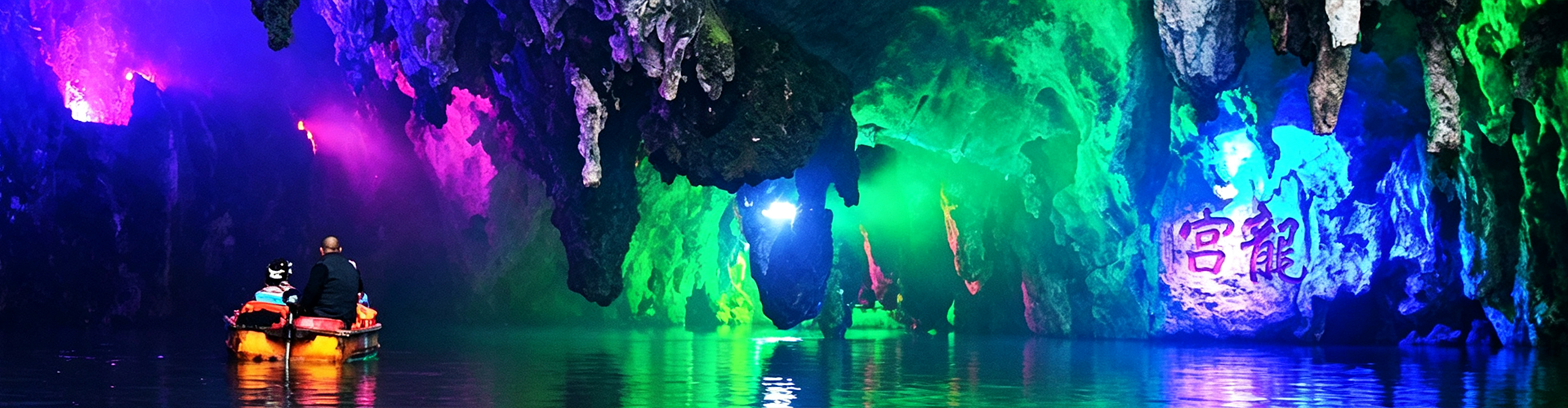

"Discover Dreams in Guizhou!" Starting with a 5-day 4-night group tour on Ctrip
Release Date: 2016-10-28
Views: 677
【Font Size: Large Medium Small】
Day 1
2015-09-03
On September 3rd, I booked a 5-day 4-night group tour (4-star quality tour) from Nanjing to Huangguoshu in Guizhou Province + Xijiang Qianhu Miao Village + Liping from Ctrip Travel. Thus, "Searching for Dreams in Guizhou" began on this day!
"Seven-color Yunnan, Colorful Guizhou", this is the most beautiful description of the Yunnan-Guizhou Plateau in the book. It was the place where we pursued our dreams when we were children. There is an imposing Huangguoshu Great Waterfall, a historical event that evokes endless reverie in Zunyi, a mysterious and magnificent Zhijin Cave, an internationally renowned and fragrant Maotai Distillery, as well as the "Highland Pearl" Hongfeng Lake, the clear waters of Wuyang River, and the unique Maling River Scenic Area. No matter which one you choose, they all seamlessly create a magnificent natural landscape painting... Guizhou, the original and rich ethnic customs and folkways that have been passed down for thousands of years in the region are colorful. Qingyan Ancient Town, Nanhua Miao Village, Chuanjiang Thousand-Household Dong Village, the Dong Family Wind-Side Bridge and Miao Ethnic Stilt Houses are everywhere, adorned with exquisite silver ornaments and colorful ethnic costumes, with melodious and graceful singing. The lifestyle is also filled with the unique fragrance of the earth, leading us to even more distant memories.
Standing at Longdongbao International Airport, I finally set foot on this warm land of Guizhou. The dream of visiting Huangguoshu that I had as a child has come true. I cheered and jumped with joy, and thank Ctrip for helping me fulfill my dream.
Itinerary: Day 1 Arrive at the beautiful city of Lincheng - Guiyang, stay at Wuyue Hotel; Day 2 Guiyang to Anshun (Huangguoshu Waterfall) to Guiyang, stay at Wuyue Hotel; Day 3 Guiyang to Liping, stay at Liping Dengxiang Garden Hotel; Day 4 Liping to Xijiang, stay at Xijiang Qiansen Hotel; Day 5 Return to Guiyang, the driver will take you to the airport according to your return flight.
Aixiu Pavilion
Guiyang is the provincial capital of Guizhou. It is a tourist city that combines the unique natural scenery of "mountains, water, forests, and caves" with the multi-ethnic culture and numerous historical sites. "The sky doesn't have three days of clear weather, the ground doesn't have three feet of flatness", people describe it like this. As soon as you open the door, you can see the mountains.
In fact, for Guizhou, the places I strongly want to visit are Huangguoshu and Aixiu Pavilion. It's not far from the hotel where I stayed, Wuyue Hotel, to get there. In Guiyang, there is a rule that is different from other cities. When taking a taxi, you also need to share a ride. That is, if you want to go there, you have to pay the driver and he won't just go with you. He has to pick up two or three passengers to make it happen. I have visited many places, but this is the first time I have encountered it!
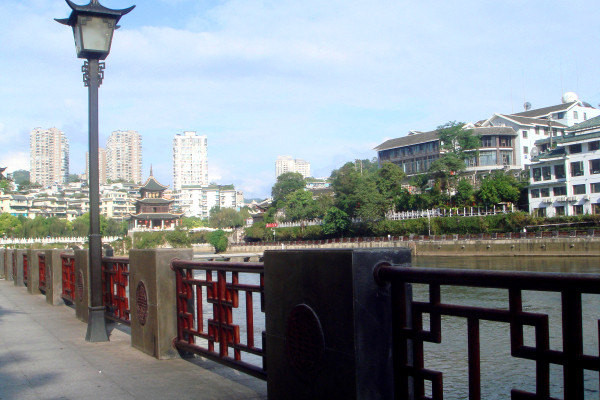
Jiaxiu Tower Park
Jiaxiu Tower is a landmark building in Guiyang. It was built during the Wanli period of the Ming Dynasty and is located on a huge rock in the Nanming River. There are nine-hole floating bridges at both ends connecting it to the shore. Currently, Jiaxiu Tower no longer requires an entrance fee.
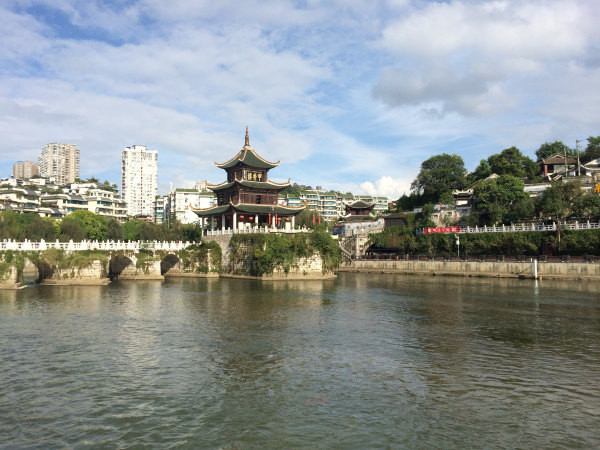
"The talent and culture of Guizhou were renowned, and it was named 'Jia Xiu' for this reason." In the 26th year of the Wanli era, Guizhou Governor Jiang Dongzhi built a building in Guiyang, named it Jia Xiu Pavilion, with the meaning of "excellent academic achievements standing out". It was a wooden structure pavilion with three floors, supported by 12 white stone columns at the bottom, and the total height was 22.9 meters.
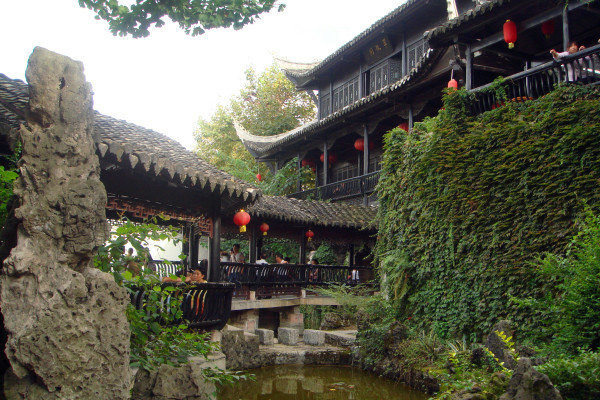
The beautiful Cuimei Garden was built adjacent to the Jiaoxiu Pavilion.
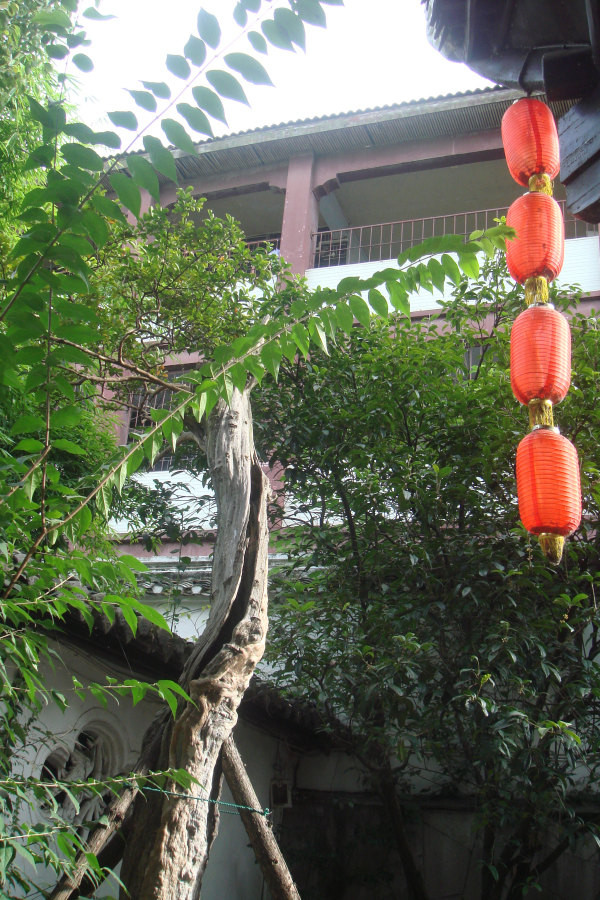
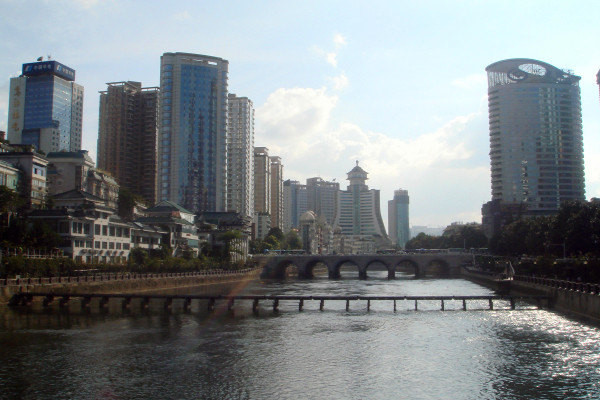
The weather was originally fine, but within a short while, something went wrong.
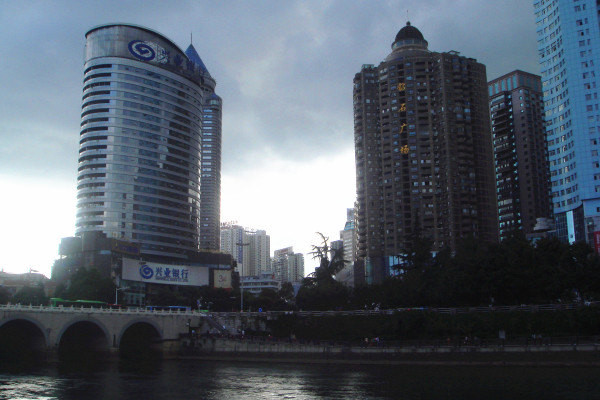
Around the Jiaxiu Pavilion, numerous tall buildings stand in a row, and the sky is filled with thick clouds of rain.
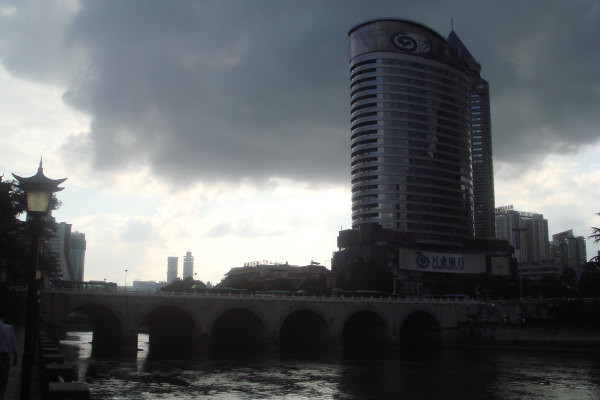
In fact, before the rain, the sky and the city had an even more beautiful appearance.
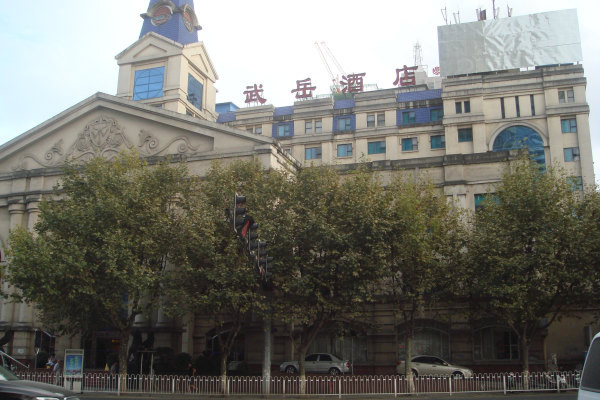
I stayed at the Wuyue Hotel for two nights. It is said that this hotel has been one of the few star-rated hotels in Guiyang for over ten years! It used to be exclusively used for government hospitality.
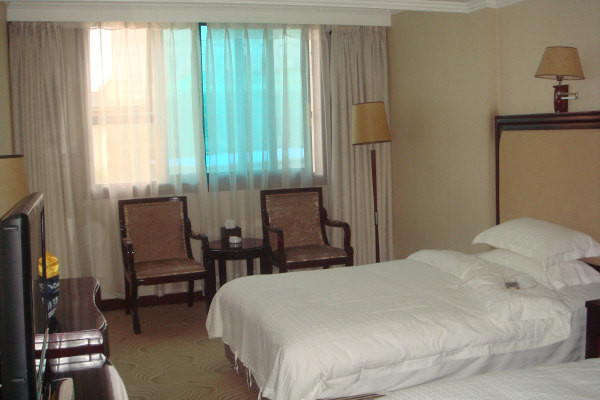
The guest room is quite nice! It's very cozy.
Day 2
2015-09-04
Before coming here, I also read some tourism materials about Guizhou. Guizhou is known as the "Park Province", located in the southwest of the country and in the eastern part of the Yunnan-Guizhou Plateau. It is famous worldwide for its typical karst landscape. Everywhere you can see towering peaks piercing the clouds, strange and mysterious rocks, sparkling mountain springs, magnificent waterfalls, vast lakes and ponds, ancient and deep cave valleys, with unique, primitive and mysterious scenery.
The mountains and waters here are full of magic and beauty. The journey from Guiyang to Anshun takes nearly two hours by car, and it doesn't make people tired. Firstly, the beautiful scenery and rich ethnic minority culture make me, who am from a plain area, feel that there is scenery everywhere; secondly, the tour guide leading this trip, Chen Ping, is very talented and versatile. Under his guidance, we really sang and laughed all the way, especially the introduction of local customs was very profound. The people are warm and generous, and their constant smiles give passengers vitality, and also show us the future of tourism in Guizhou!
Anshun, located in the central-western part of Guizhou Province, is a key location adjacent to Yunnan. It has become a classic tourist destination with beautiful scenery and rich ethnic minority culture. The Huangguoshu Waterfall, the mysterious Longgong, and the Zijin Cave are must-see attractions. The mountains and waters are so unique. Unfortunately, our trip only arranged the Huangguoshu Waterfall.
There is a direct bus from Guiyang Bus Station to Huangguoshu, with a fare of 55 yuan. The journey takes about 2 hours. The early bus leaves at 7:40, and there is a bus every half an hour. From Guiyang Railway Station, you can take bus 219 or 224 to reach directly. It usually takes 40 minutes.
Ticket price for Huangguoshu Scenic Area: Peak season 180 yuan, off-season 160 yuan (including Huangguoshu Scenic Area, Tianxingqiao Scenic Area, and Doupootang Scenic Area), the ticket is valid on the day.
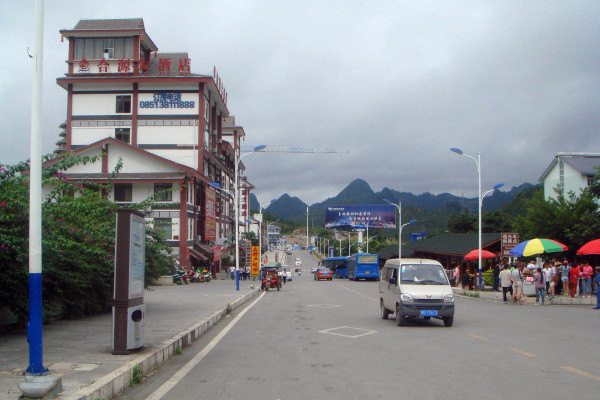
Huangguoshu Avenue
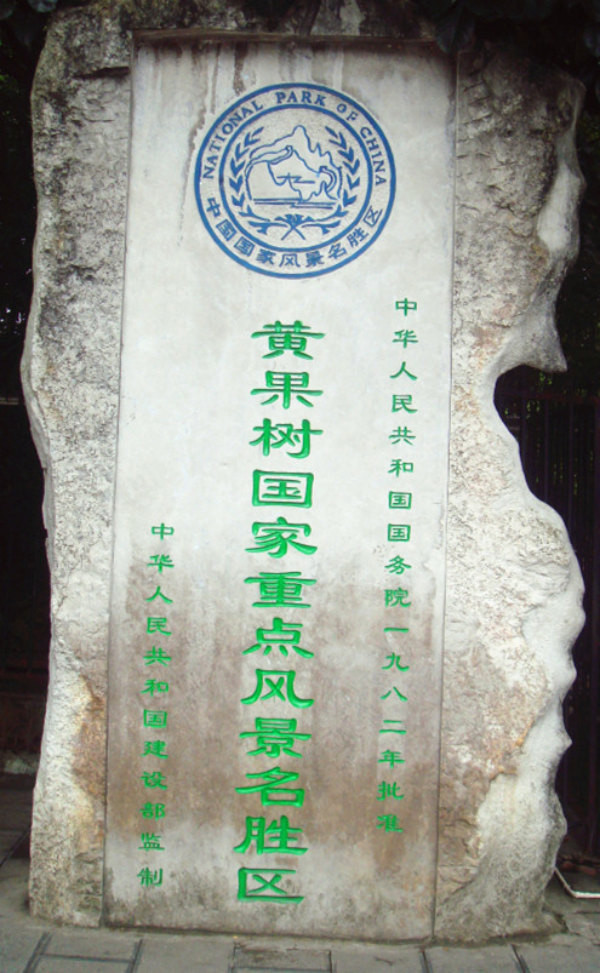
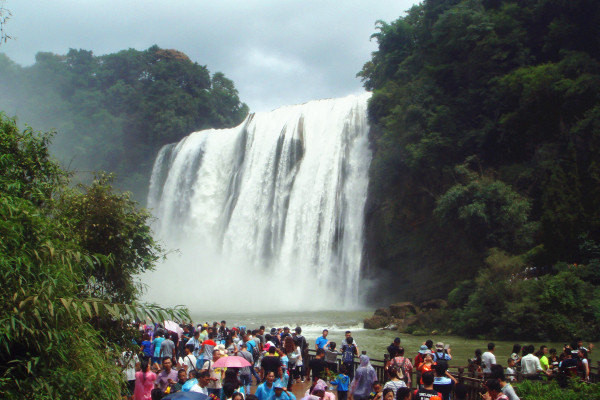
The Huangguoshu Waterfall is 77.8 meters high and 101.0 meters wide. It is the largest waterfall in China and one of the world's famous waterfalls. It is a symbol of Guizhou and a famous tourist card for China. The Huangguoshu National Scenic Area has three sub-areas, namely Doudapeng Waterfall (one of the filming locations for "Journey to the West"), Tianxingqiao Scenic Area and the Waterfall Scenic Area. Each area is nearly 10 kilometers apart and cannot be reached without a vehicle. The visiting sequence and duration of the three areas are: Doudapeng (about 1 hour) - Tianxingqiao (about 2.5 hours) - Waterfall (about 2.5 hours).
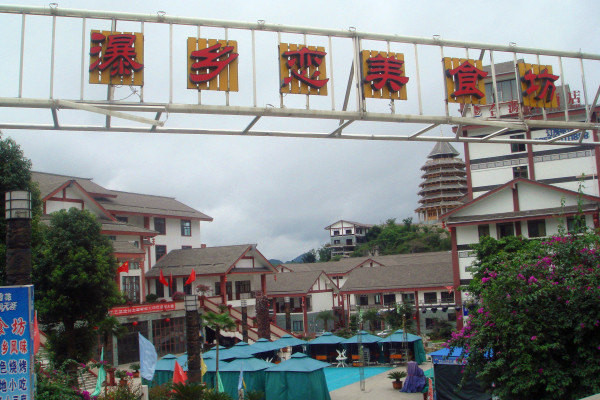
The food shop at the entrance of the scenic area
My impression of Huangguoshu has been ingrained since my childhood memories. It was during the Spring Festival, and my father brought back a hanging scroll from a distance of two miles away. The painting depicted the Huangguoshu Great Waterfall. The scene was magnificent and spectacular, with the green mountains and lush trees obscuring the white waterfall. The huge drop below revealed faint figures, perhaps those who were precognizant, watching the waterfall and marveling at it together with me, the observer outside the painting. So, I secretly made up my mind that when I earned enough money, I would definitely take my father to see the Huangguoshu Great Waterfall.
Twenty years later, when I finally stood in front of the waterfall and shed tears, there were tears of excitement as well as tears of sadness. The sadness was that my father passed away alone. It is said that he went to the ghost city of Fengdu in the Three Gorges. The father and I couldn't make it, but now I have come alone. Although it was a late love, I was filled with gratitude: Thank God! Thank my father; thank myself for having this bit of fortune to be alive... Su Shi's line "People have joys and sorrows, separations and reunions, the moon has phases of waxing and waning, and this is something that has never been fully achieved in the past" told me that everything in the world follows the will of fate. There is no need to overly seek anything. May people always be long-lasting, that's fine!
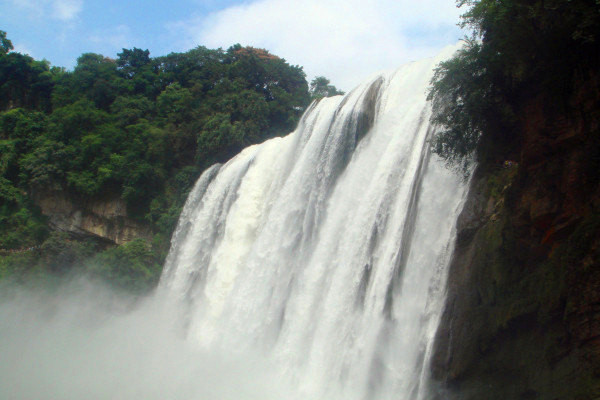
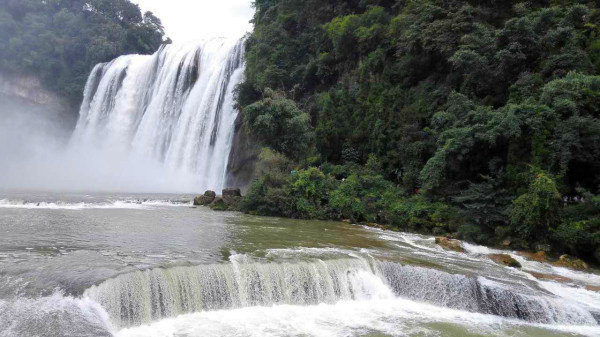
The Huangguoshu Great Waterfall truly exudes an imposing grandeur! When you stand right in front of the waterfall, watching the water pouring down from the sky, the continuous spray of water mist accompanied by the dampness hitting your face, and listening to the thunderous sound of water splashing onto the rocks, it will stir your emotions and shake your soul! There was once a research report stating: Among the numerous famous waterfalls around the world, a group of waterfalls as concentrated and with diverse postures as the Huangguoshu Waterfall is unique to our country. The Huangguoshu Waterfall Group is located in karst caves and clear rivers and dark lakes, forming a rare natural scenic area in the world with "groups of waterfalls, strings of caves, scattered star-shaped pools, and gathering of strange peaks".
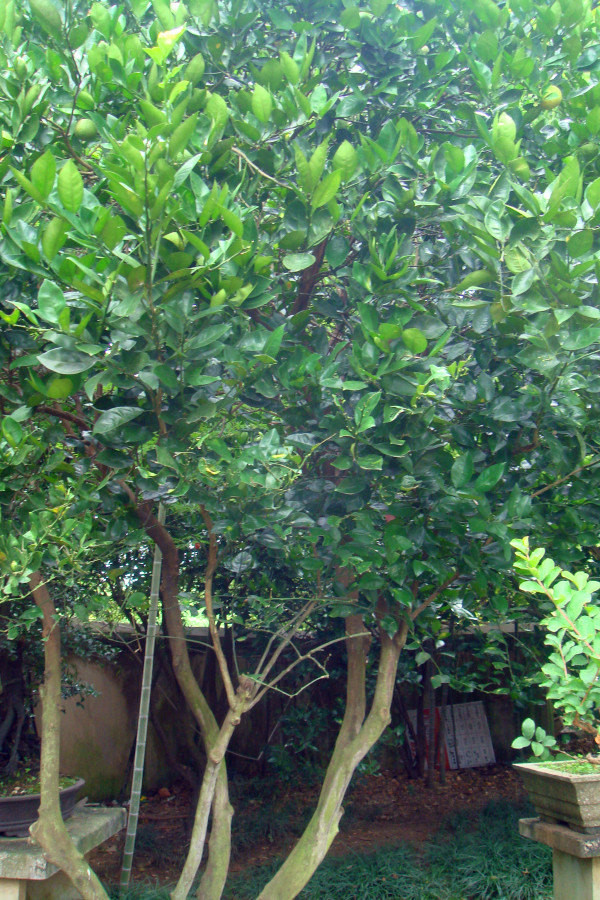
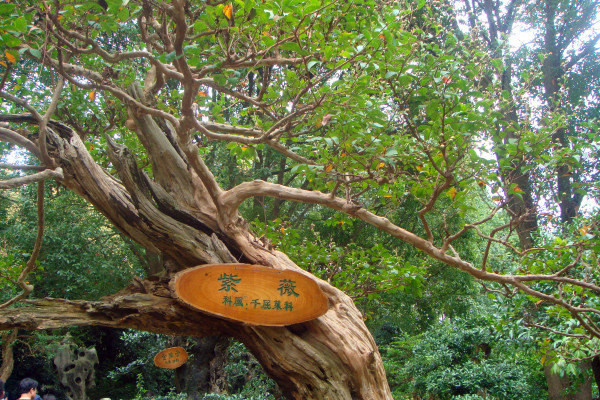
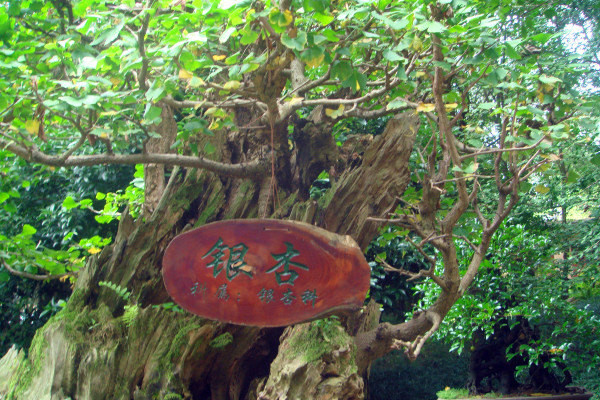
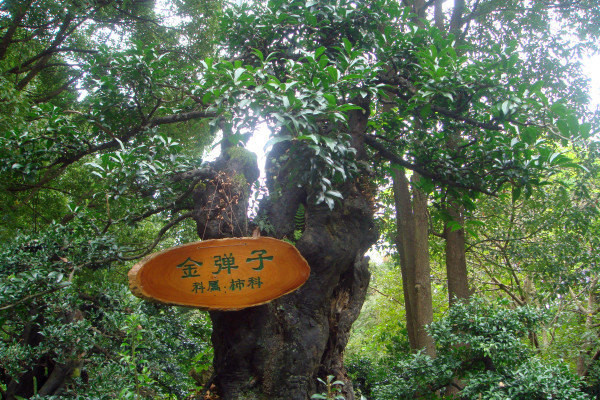
After checking the tickets and entering the gate, I saw a variety of beautiful bonsai, such as golden euonymus, plum blossom, and ginkgo, etc. This large area is claimed to be the largest bonsai garden in the world. Here, you can see a kind of tree - the yellow fig tree. Its fruit is yellow and sour. It should belong to the citrus family. It is said that this tree is now quite rare. The name of the Yellow Fig River falls is also derived from this tree.
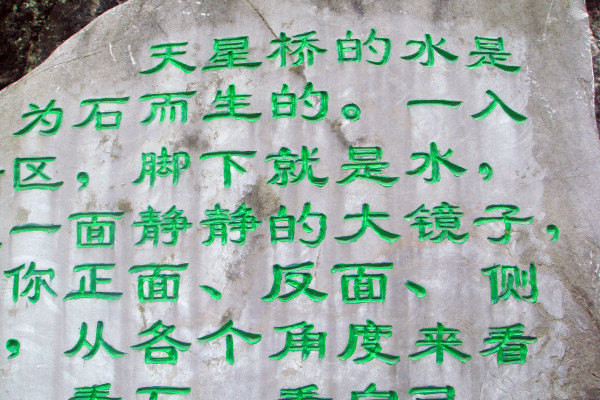
Tianxingqiao Scenic Area is a wonderful combination of rocks, trees and water, and is known as "Water Stone Forest and Natural Landscape Garden". The scenic area includes Tianxing Basin Scenic Area, Tianxing Cave Scenic Area and Water Stone Forest Area. As you walk among the rock peaks, stone depressions, stone walls and stone crevices, the river appears and disappears within the stone forest. There are large areas of cacti, small shrubbery and various flowers in the stone forest, making the cold stones always green all year round, presenting a scene of flourishing life.
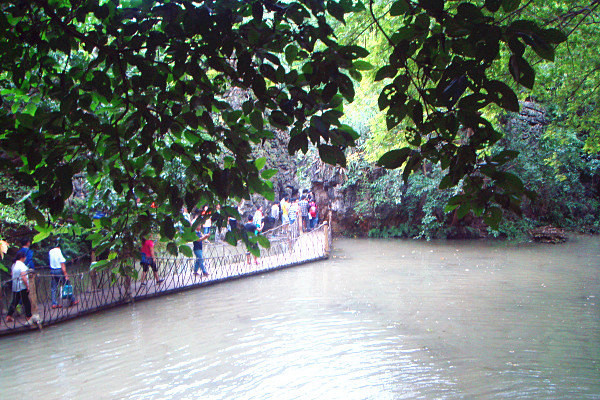
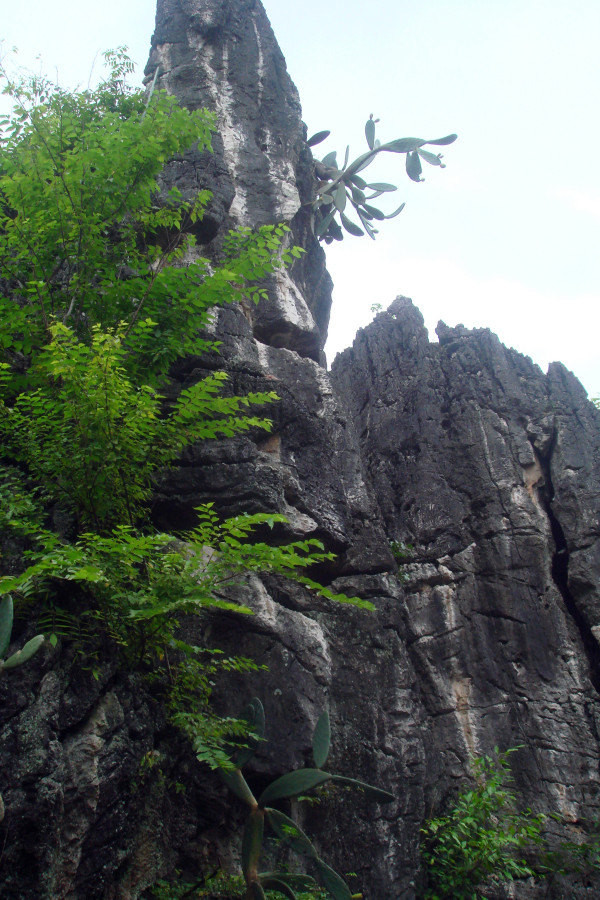
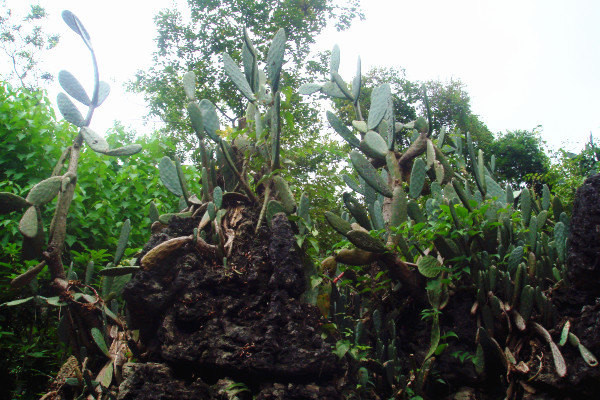
The stones are covered with cacti. Looking at them from below, their growth is truly impressive.
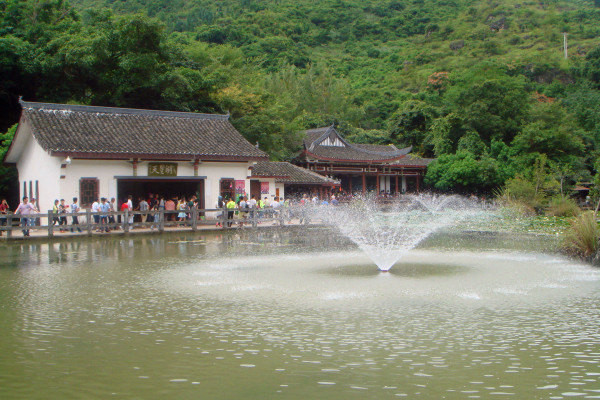
Tianxing Lake
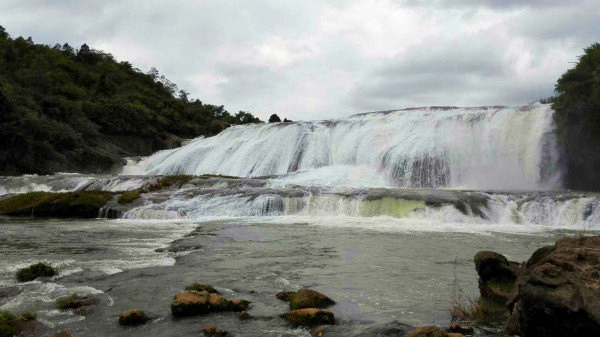
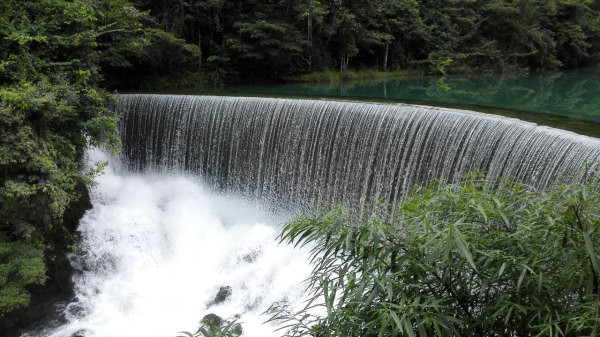
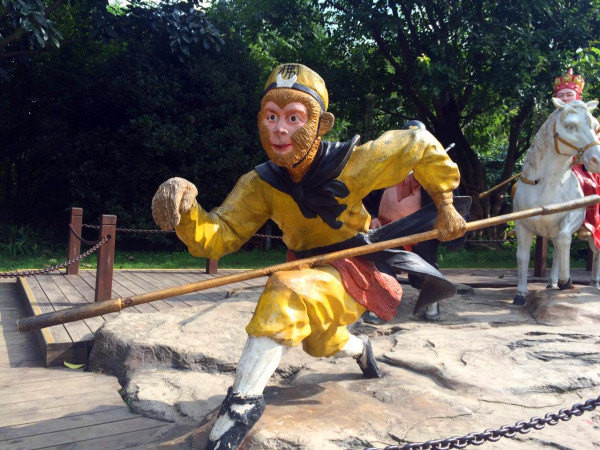
Doudiptang Waterfall is located 1 kilometer upstream of Huangguoshu Waterfall. It is a natural dam-type waterfall with a width of 165 meters and a height of 21 meters at the top. It is also the widest waterfall in the Huangguoshu Waterfall group. Although the drop is not large, the气势 is magnificent, like a thousand horses leaping out of the gate, with the sound spreading for thousands of feet. During floods, the "roaring waterfall" phenomenon occurs. In the 1982 edition of "Journey to the West", the scene of the journey through mountains and rivers was shot here. Now it has gained more fame and is often seen as a familiar face by those who often watch "Journey to the West". The scenic area has only one waterfall and the visiting time is 1 to 2 hours.
The delicacies of Anshun include chicken dumplings, buckwheat cold noodles, thief pearl cakes, and bubble candies. When it comes to bubble candies, they are quite famous in Anshun. During the Qing Dynasty's Xianfeng era, the governor of Zhenning Prefecture was aiming to promote sugar-based foods in the area and widely solicited sugar-based products from the public. At the foot of the Bell and Drum Tower, Liu Jia's great-grandfather Liu Xinghan believed that Zhenning's six horses were rich in sesame, rice, and wheat. Therefore, he decided to use these agricultural products as the main raw materials to try making sugar foods. After many experiments, he successfully created a "bubble candy" that was crispy, crunchy, fragrant, sweet, delicious, and unique. Because it was sweet and easy to dissolve, it was also called "falling mouth酥". During the production process, it resembled waves of water, so it was also called "bubble酥" or "bubble candy".
Day 3
2015-09-05
Qiandong includes the Tongren region and the Qiandongnan Miao and Dong Autonomous Prefecture. The majority of the population here are Miao and Dong ethnic groups. The ethnic customs, ethnic buildings and the scenery of the Miao Mountain are the characteristics of this area. There is a city mainly composed of Miao people - Kaili, which has countless Miao villages and Dong villages. It is the largest Miao village in Kaili, with about 1,000 households. Therefore, it is called the Thousand-Household Miao Village. It is formed by connecting more than ten natural villages built along the mountain. It is also the largest Miao ethnic settlement village in China and even the world, attracting tourists from all over the world with its unique folk customs, distinctive architecture and beautiful natural scenery.
Tourist ticket: Adult ticket 100 yuan, student ticket 60 yuan.
Transportation: 1. Take a coach from Kaili bus station to Xijiang Town. The fare is 20 - 25 yuan, and it takes about 45 minutes to arrive. The traffic is smooth, but there are not many coach trips. Or you can take a taxi from Kaili to Xijiang for 20 yuan.
2. Take a bus from Kaili bus station to Leishan County. It departs every half an hour, and the journey takes one hour. The fare is 12.5 yuan per person.
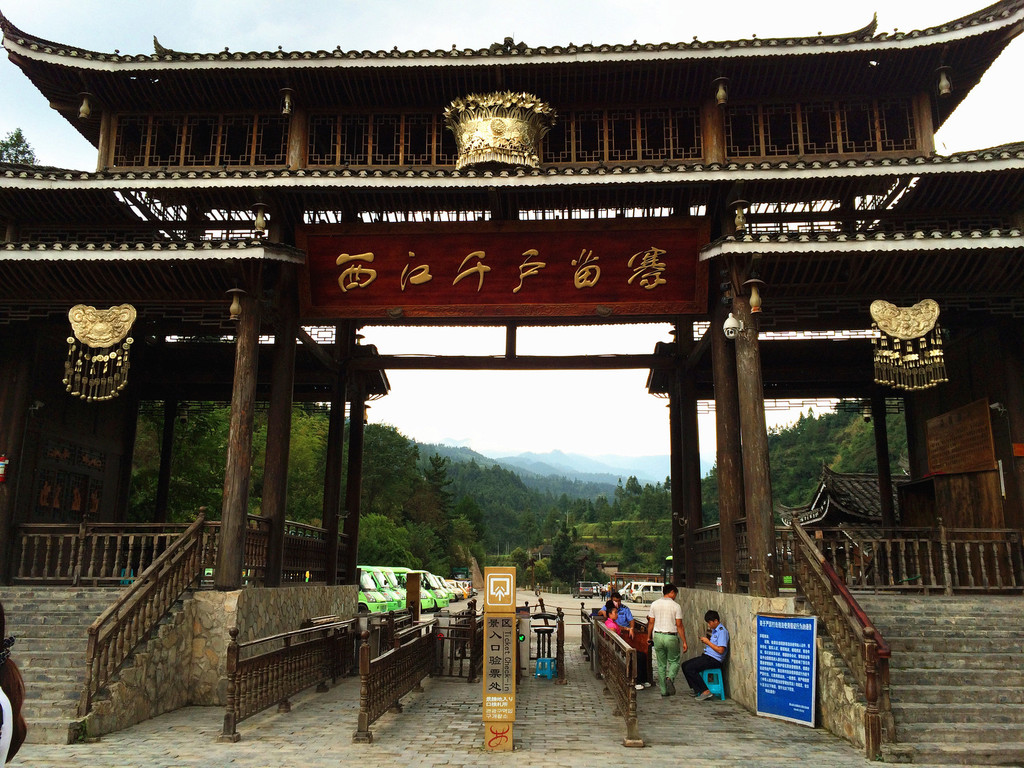
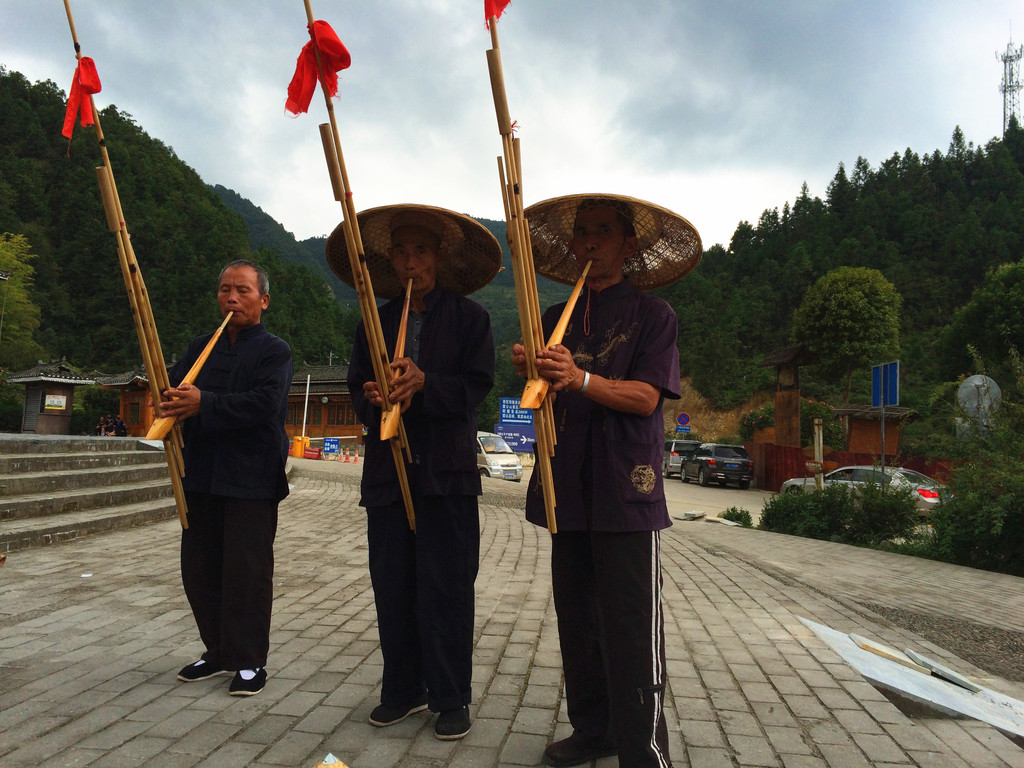
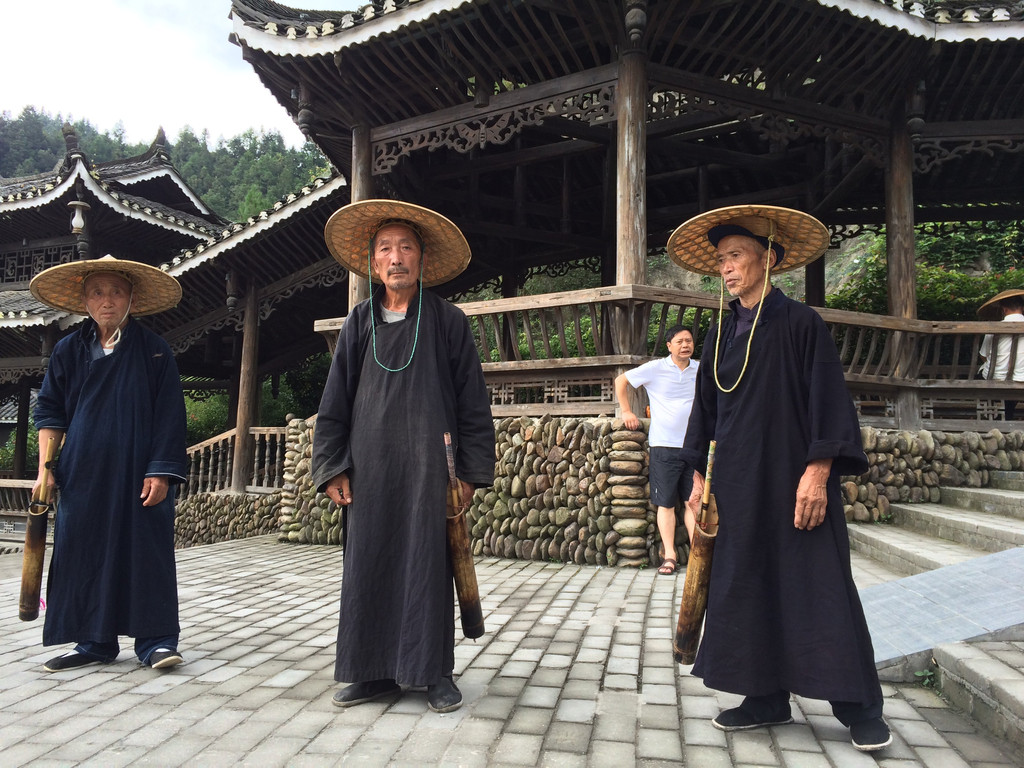
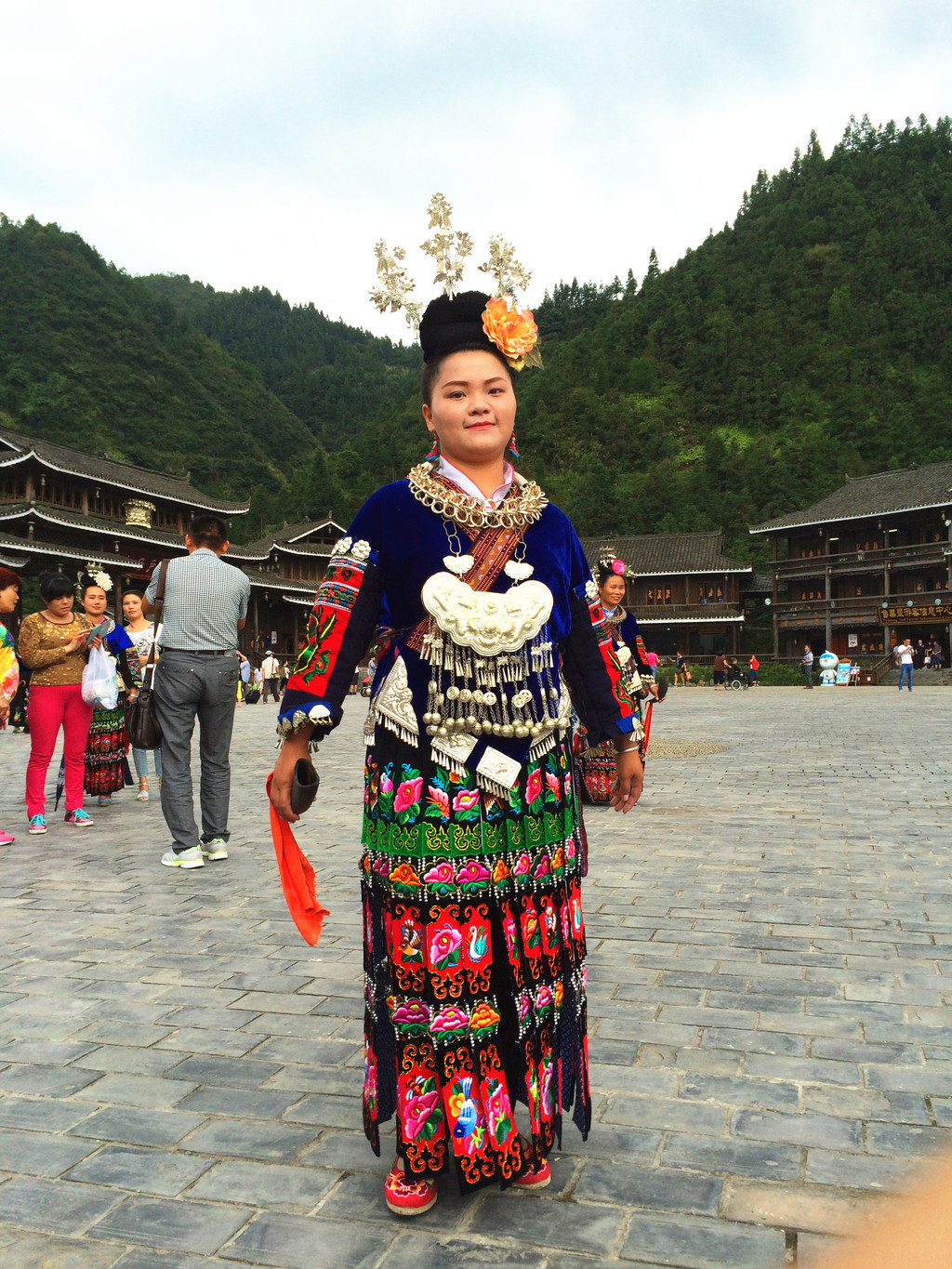
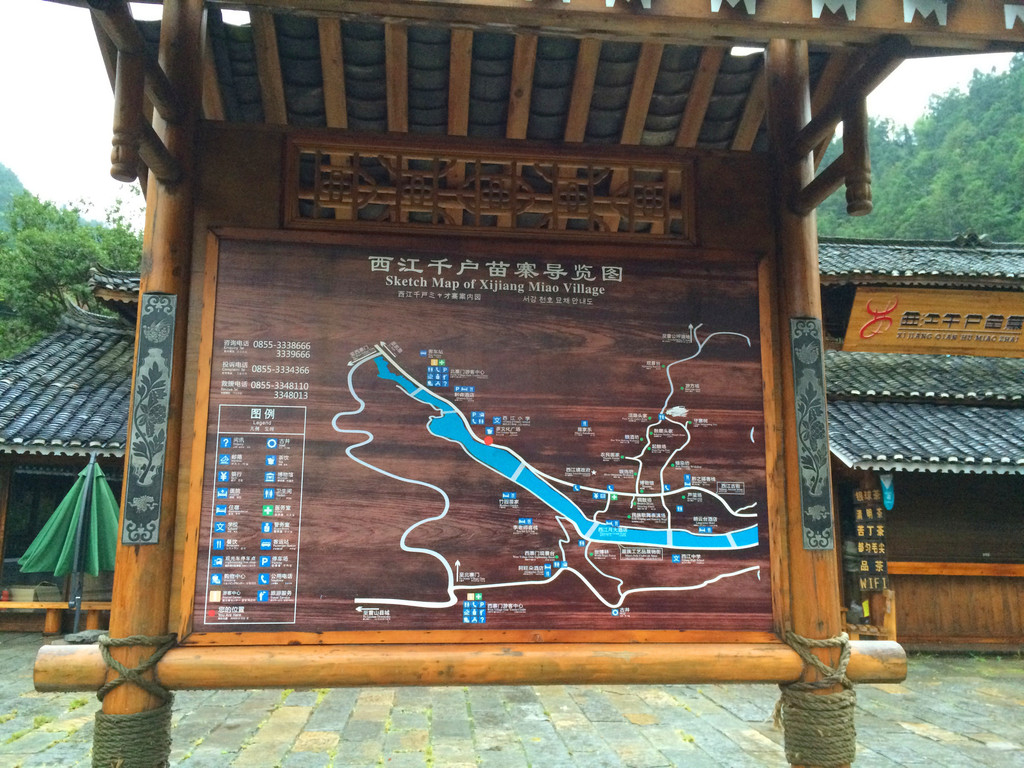
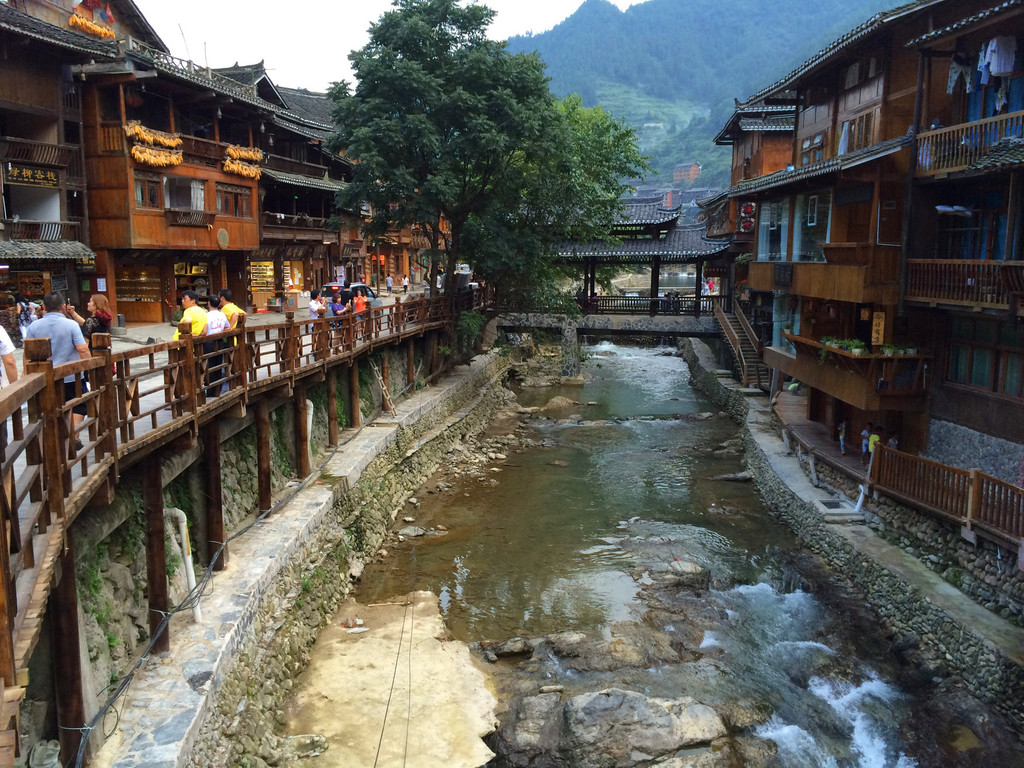
The Xijiang Miao Village is surrounded by green mountains and clear waters. Despite its long history, every corner of it looks like a painting, exuding a strong ethnic flavor. The long street is built along the water, with the water circling around the street. The bustling scene with people coming and going, and the prosperous business of the shops on the street are especially lively at night. Compared to a city, it is no less lively here in this mountainous Miao village. This is truly remarkable in such a remote area!
The long-table banquet is the highest form and most grand ceremony of the feasts in the Qianhu Miao Village in Xijiang. It has a history of several thousand years. It is usually used for weddings, baby's first birthday celebrations, and village gatherings for feasting. On the left are the host's seats, and on the right are the guests' seats. The host and guests face each other, raising their glasses to toast and singing songs.
Several low small long tables are joined together to form a long table that is over ten meters long. The table is fully laden with Miao dishes. From one end of the table, it looks particularly magnificent. Beautiful Miao girls, carrying the sweet rice wine brewed by their own families, come to welcome everyone. This is the highest etiquette of the Miao people when welcoming important guests.
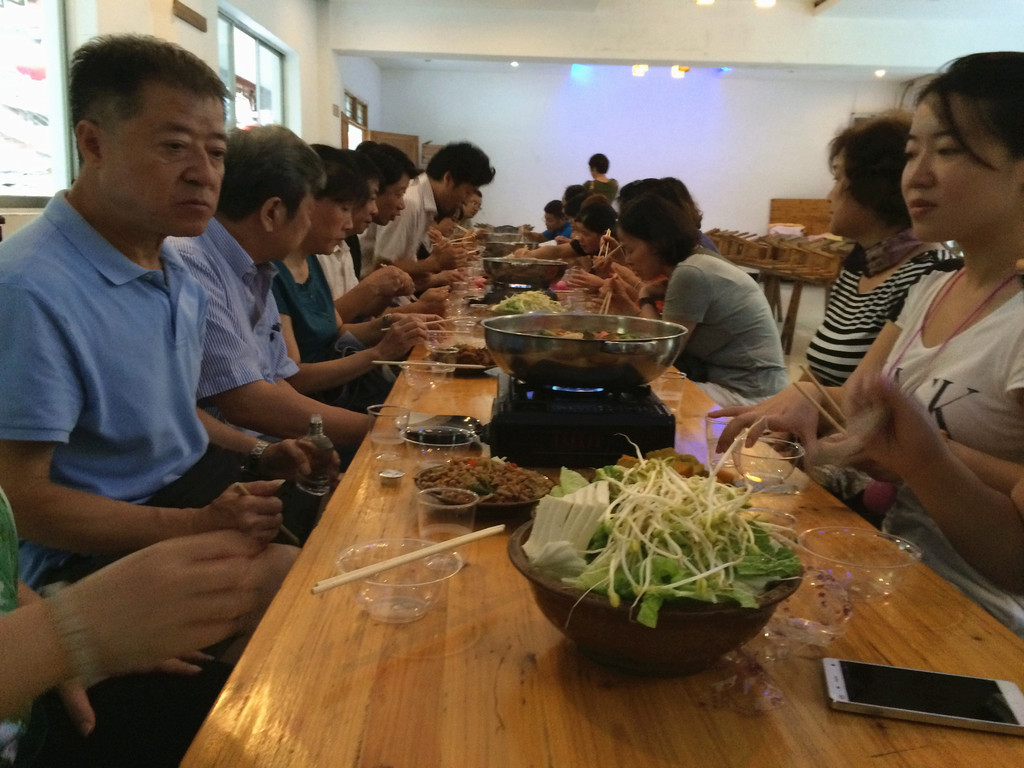
In the "long table feast" of Xijiang Thousand-Household Miao Village, there are soups, dried meat platters, ancient zang meat, Miao King fish, white-baked chicken, wild rabbit meat, Qingyan beans... The table is filled with traditional Miao dishes.
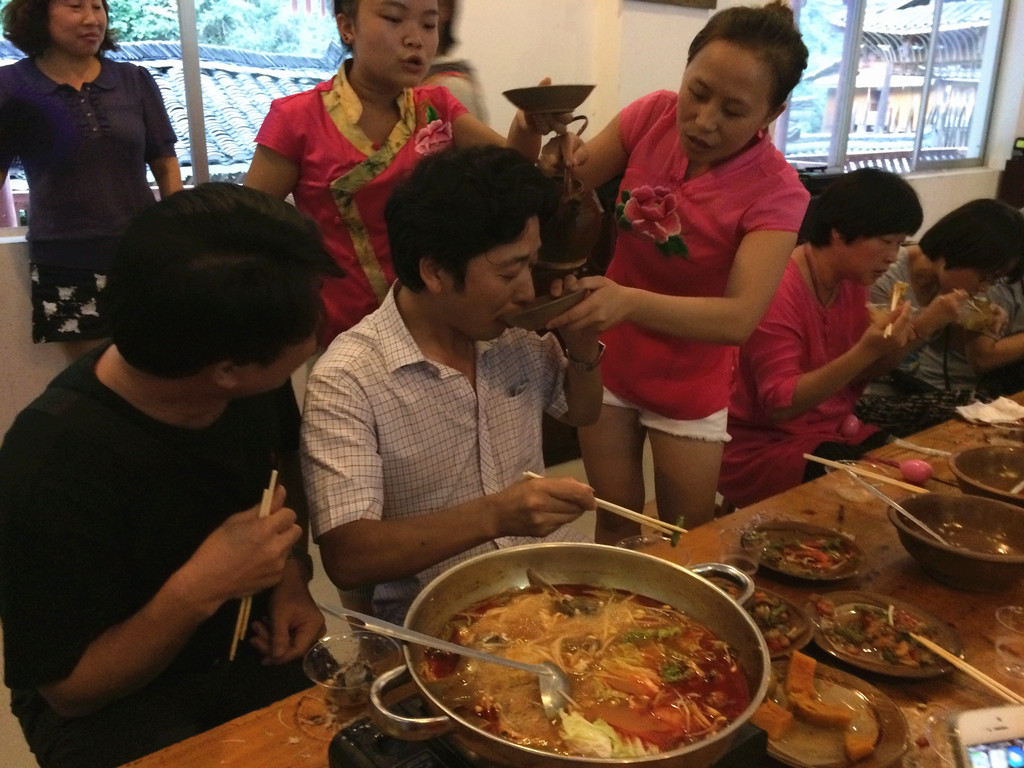
The beautiful苗族 girls in their splendid costumes began to offer drinks to each visitor, which is also known as the "doorstopper drink".
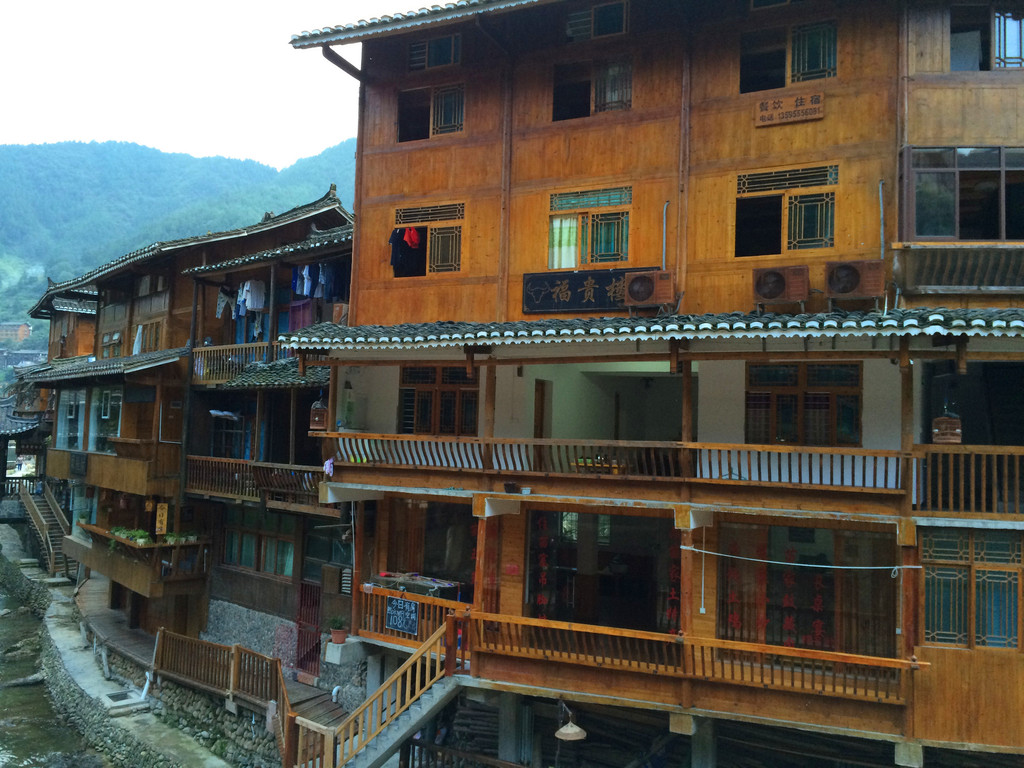
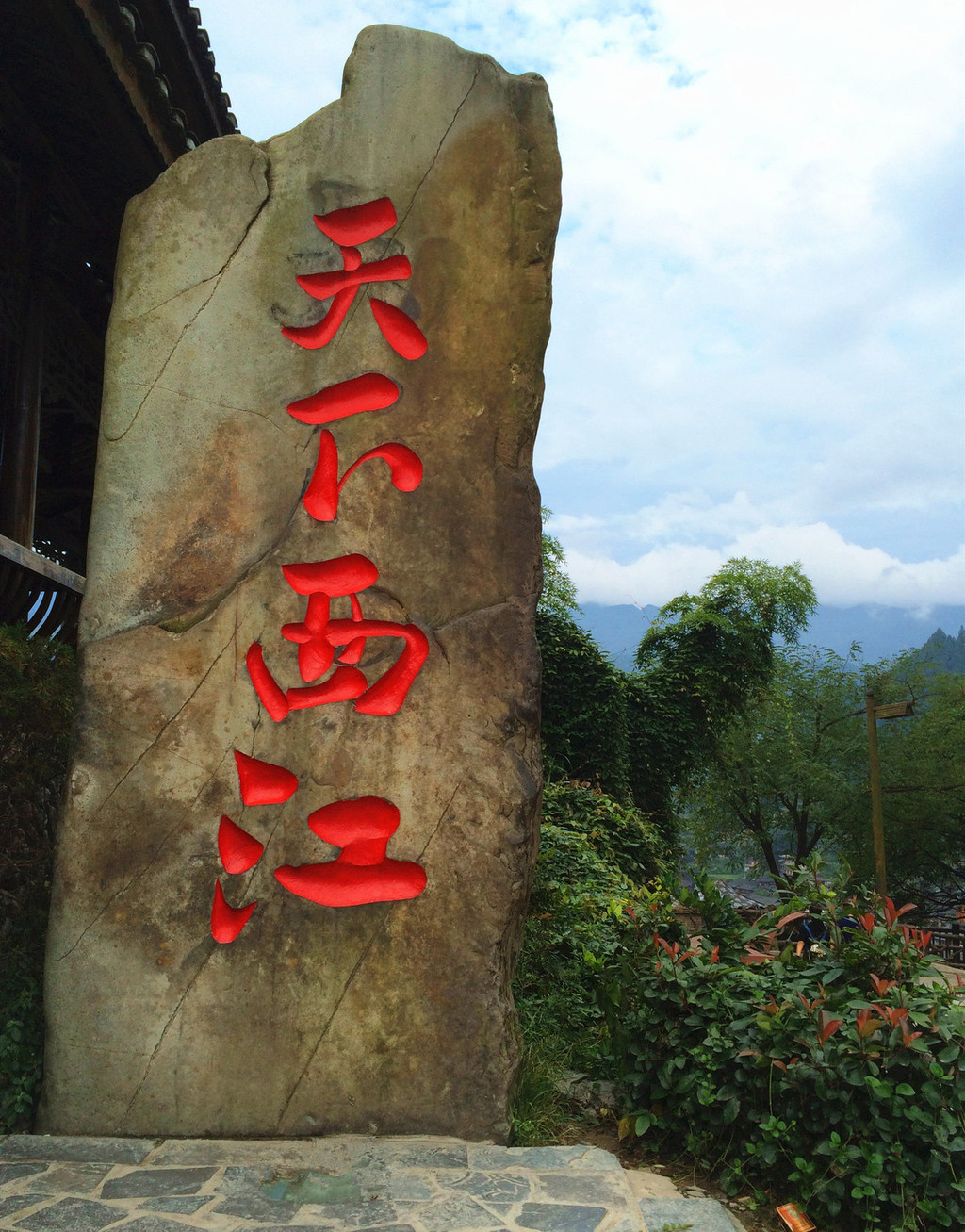
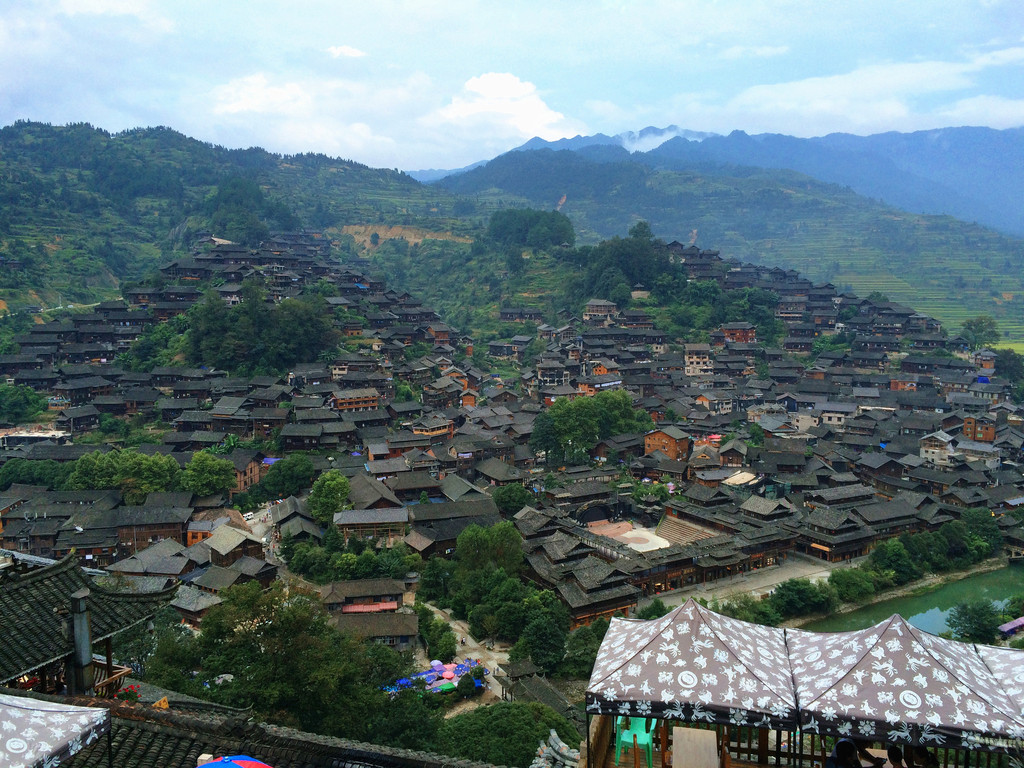
Xijiang Qianhu Miao Village is an open-air museum. Xijiang is the transliteration of the Miao language. There are currently 1,280 households and over 5,130 people. It is composed of 8 natural villages such as Shuizhai and Pingzhai. The villages are connected to each other and the households are closely adjacent. On both sides of the Bai Shui River, from bottom to top, there are numerous Miao ethnic wooden stilt houses, densely packed, row upon row, layer upon layer yet arranged in a harmonious and orderly manner.
Due to the rain that fell on the day of our arrival and continued until the early morning of the next day at around 5 o'clock, I ran into the ancient village alone again. The Miao village after the rain is estimated to have been washed by the rain all night, becoming even more beautiful and charming.
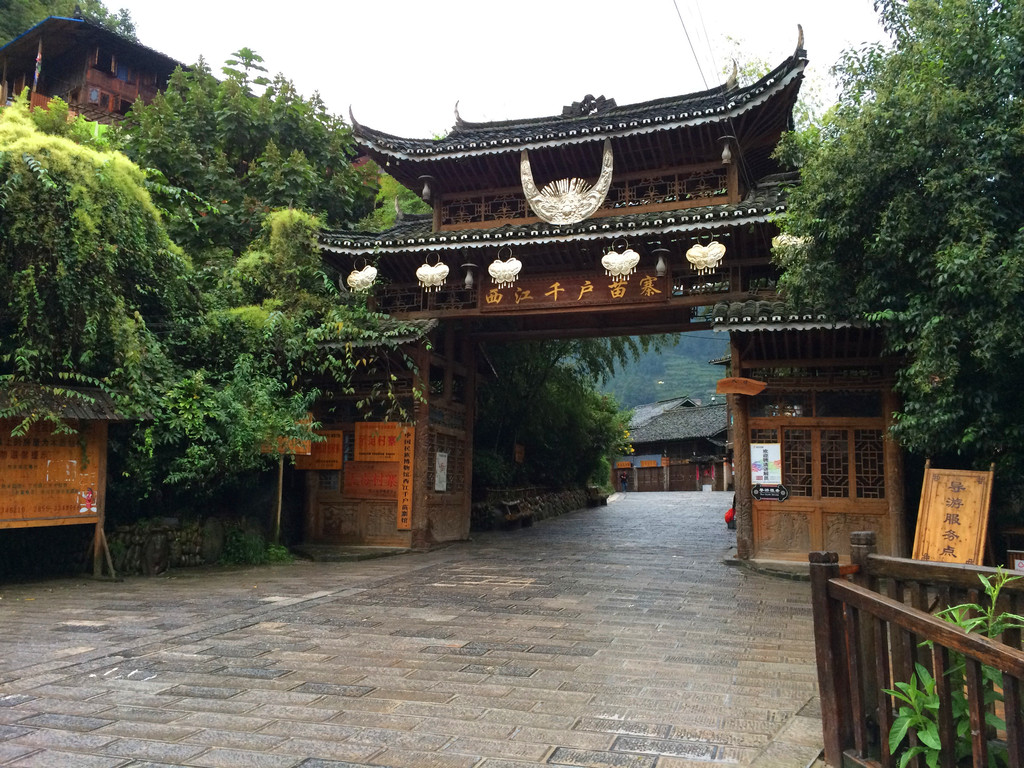
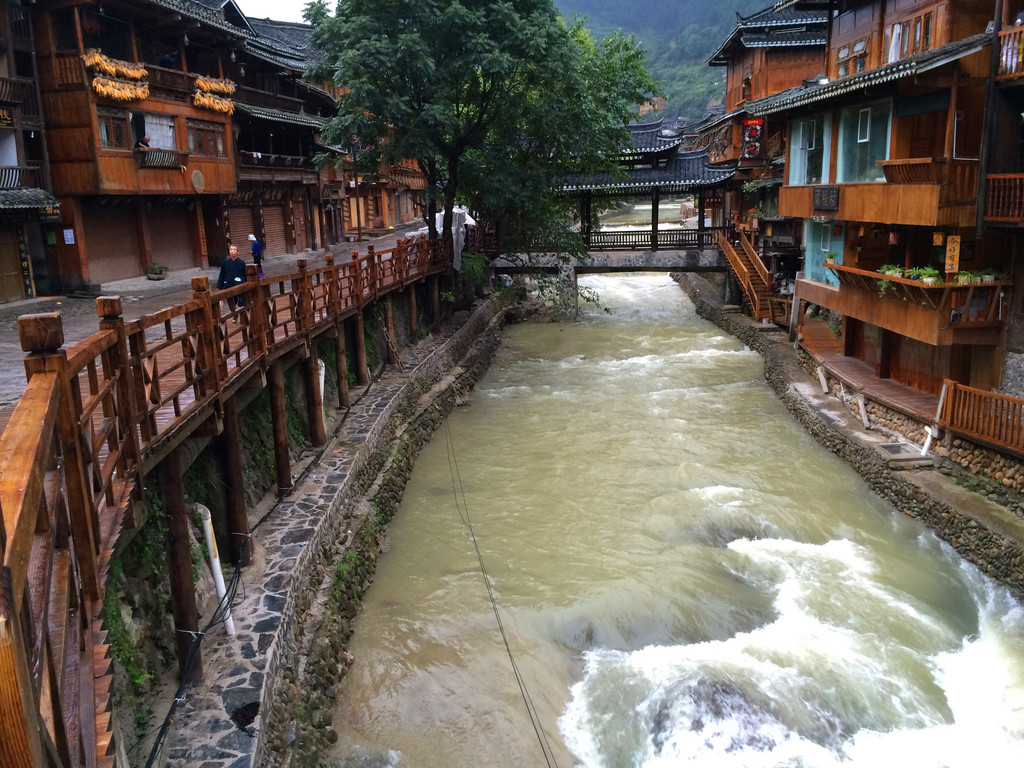
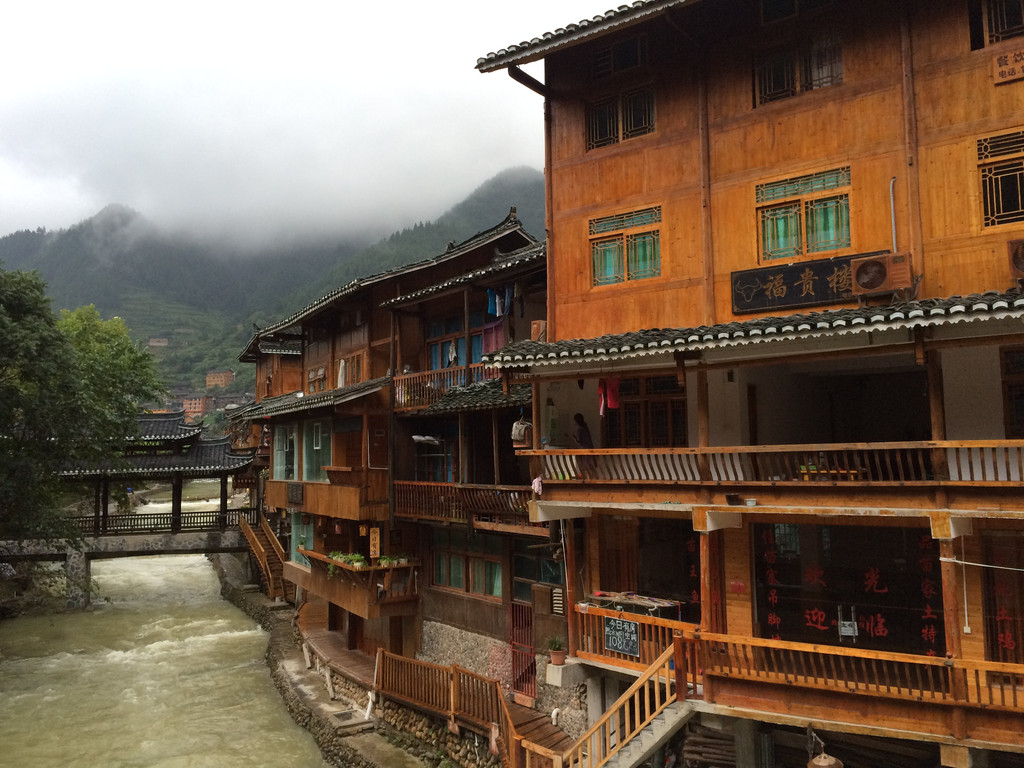
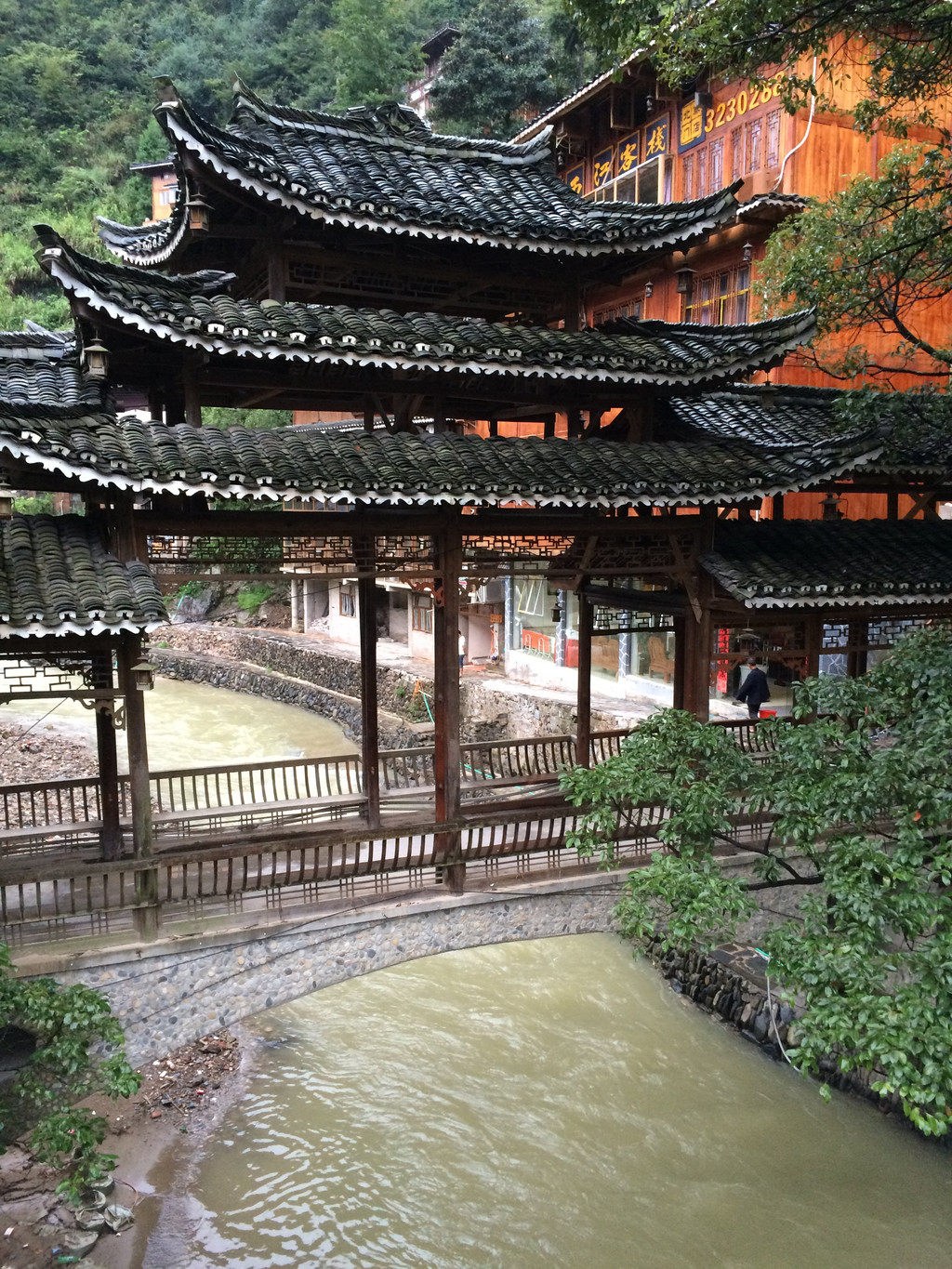
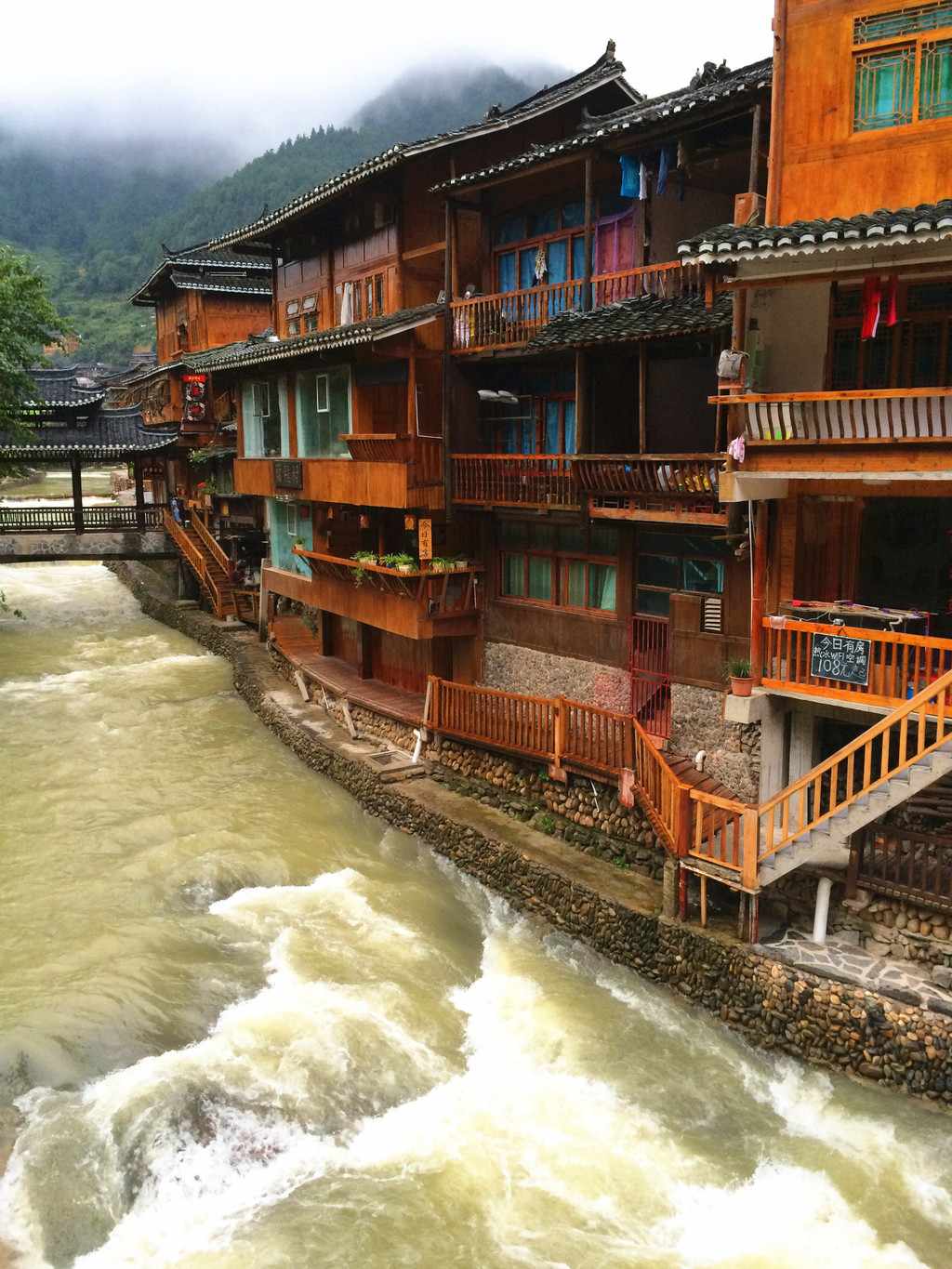
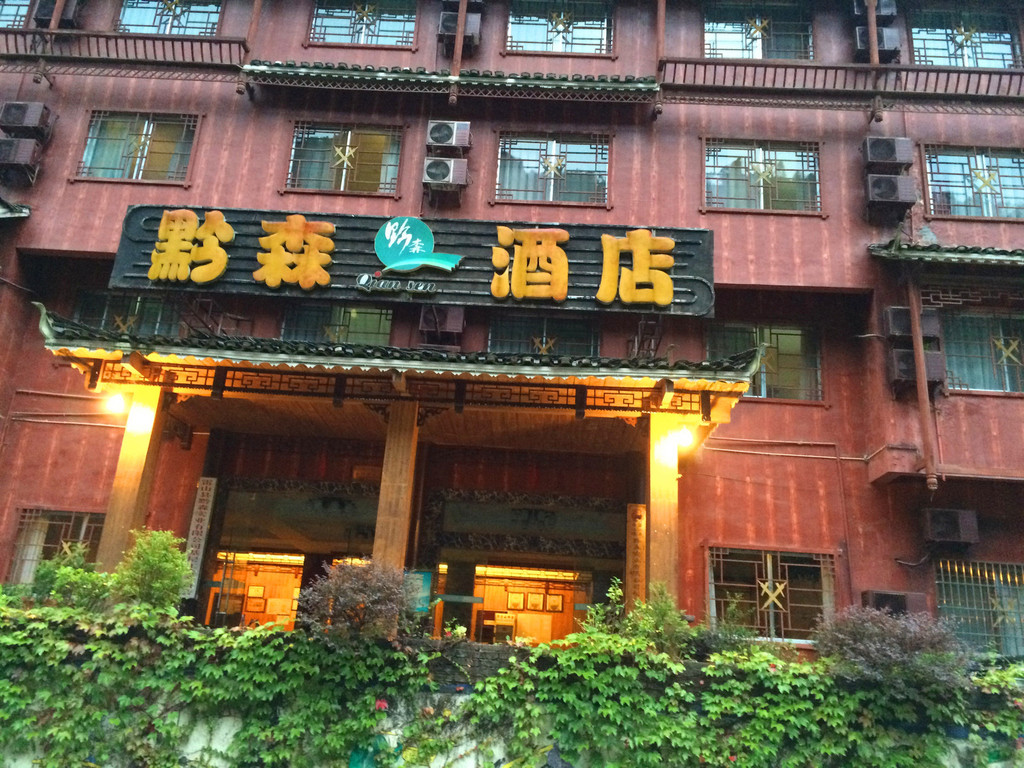
The Qiansen Hotel also has good conditions. It is clean and tidy in terms of hygiene. The rooms are equipped with televisions, showers, air conditioners and Wi-Fi.
The cuisine of Kaili is not much different from that of other areas in Guizhou. It is mainly characterized by sour and spicy flavors. The most famous dishes are the sour soup fish hot pot and the beef shank. The sour soup fish is a unique dish of the Miao ethnic group. It is sour, fresh, and extremely spicy, which really whets one's appetite. The beef shank is made by chopping the cow's feet into pieces and stir-frying them with chicken pieces and chili peppers. It has a perfect color, aroma and taste, and is unforgettable.
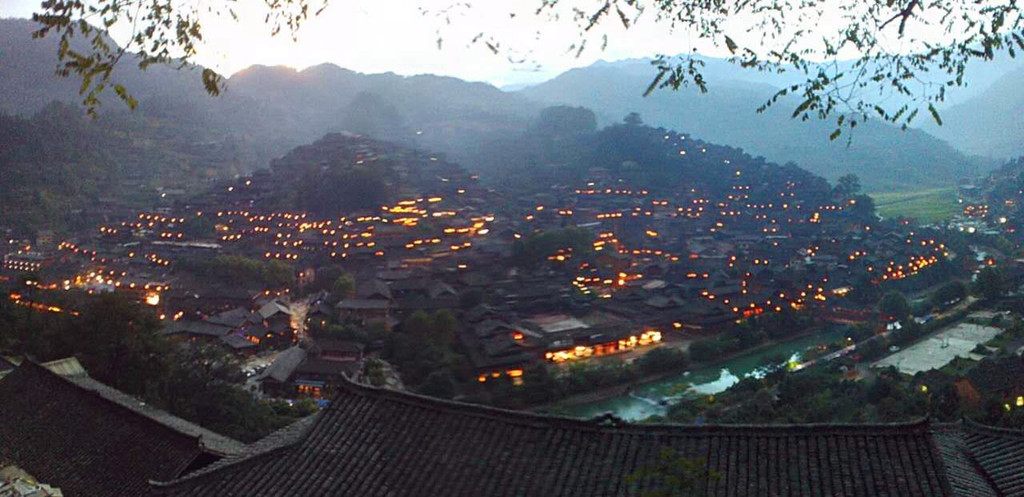
Xijiang Hundred-Household Miao Village is regarded as the largest Miao ethnic settlement in the world, with the titles of "Miao Capital", "The World's Xijiang River" and "The Natural Museum of Miao Ethnic Culture in China". We arrived at the Miao village at 5 p.m. on September 6th. Everyone put down their luggage and rushed to the village. The village is quite large and commercialized. The cobblestone-paved roads are lined with shops, and the tourists are noisy. The sun was about to set. To catch the photos of the Hundred-Household Miao Village, I took an electric bike to the viewing platform (5 yuan per person for the electric bike ride), where people were coming and going, and the small mountain path was crowded to the point of being unable to move. Everyone held their cameras and a row of tripods, all just to capture the legendary night scene of the brightly lit Miao Village.
Standing on the viewing platform at the top of the mountain, from here, looking down on the entire Miao Village, it was quite spectacular. Around 7:10 p.m., it seemed that the sky was playing a joke on us and it started to rain. It wasn't heavy, but it was very dense, which dampened the tourists' enthusiasm by half. We had planned to walk around the mountain village and visit the Miao King's house, but the rain stopped our steps. After waiting for half an hour at the viewing platform, the rain continued to pour down without stopping. I then spent 50 yuan for a taxi back to the hotel.
Day 4
2015-09-06
The water in Qiannan is unforgettable. If Jiuzhai Valley can be described as having the most splendid and wonderful water, then the water in Qiannan is even more charming with its deep blue color. To truly understand what purity and innocence mean, and what the magical power is that can cleanse all dust, one must visit the water in Qiannan. Qiannan has the only water county in China, where the water ethnic culture is very rich. It is a great place to explore and experience ethnic customs.
The Liubo Zhangjiang Scenic Area is located in Liubo County. It consists of three parts: Xiaqiongkong, Daqiongkong, and Shui Chunhe Canyon. The Xiaqiongkong Scenic Area gets its name because there is an ancient bridge called Xiaqiongkong over the river.
The ticket for Xiaqiongkong Scenic Area is 110 yuan, and the environmental protection bus ticket is 40 yuan. You can take the environmental protection bus to and from each scenic spot within the area, which is very convenient. The entire tour of Xiaqiongkong lasts about 5 to 6 hours. The Yingtong Valley is the place for rowing boats. If you don't have time, you can skip it. The Xiaqiongkong Scenic Area is the most beautiful place during the trip to Guizhou. The scenic area opens very early, so try to get in as early as possible. The scenery is shrouded in mist, making it even more like a fairyland.
Personally, I think Xiaqiongkong is very beautiful. The scenic area has a rich variety of colors and is definitely worth visiting.
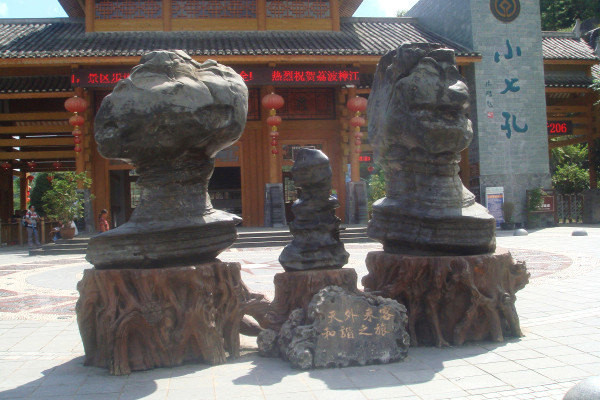
I always have the impression that the people of Guizhou are very intelligent. In the year of Daoguang, a small bridge built to connect the mountainous area of Guizhou from Yunnan Province was actually turned into a nationally famous scenic spot - Li Bo Xia Qiong. Do you think the people of Guizhou could have done this? Our hometown no longer has ancient bridges or ancient cities. Even if there were, it wouldn't necessarily be possible to create such a place!
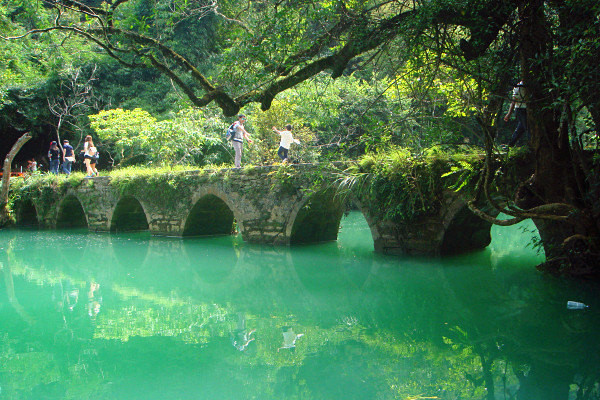
The beautiful Liubao Xiaqiong Bridge
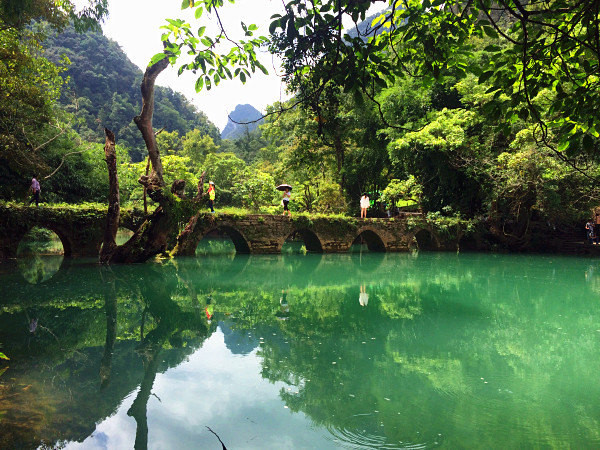
Liping Zhangjiang Scenic Area is a rare area in the world where remnants of subtropical karst virgin forests still exist. The water forest is intricately intertwined, with strange peaks and unique rocks.
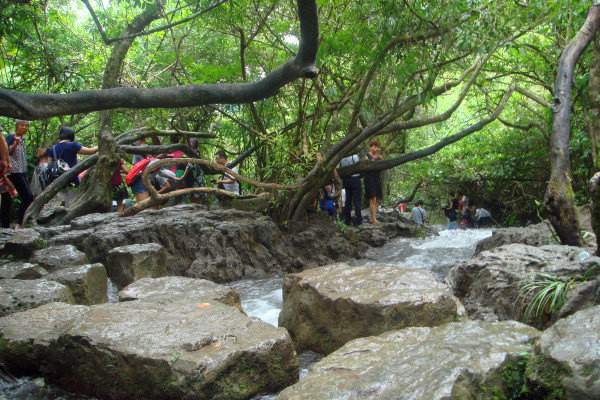
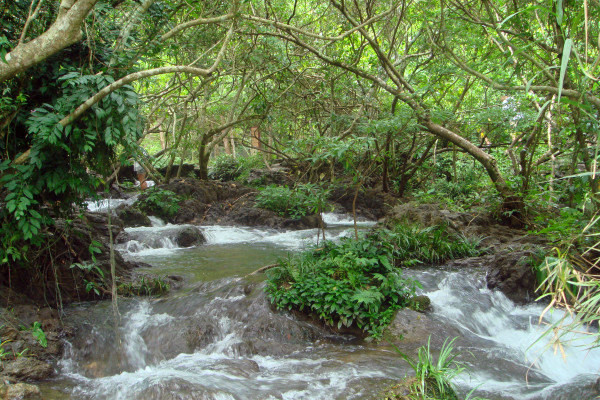
Green and lush, with abundant foliage, bright sunshine and flowing water.
Yuanyang Lake is a serene and peaceful body of water. It is composed of two large lakes (Yuan Lake and Yang Lake) and four smaller lakes, forming a group of plateau karst lakes. The water flows gracefully and gracefully, and if you don't take a boat to explore deeper, you won't be able to see much from the shore.
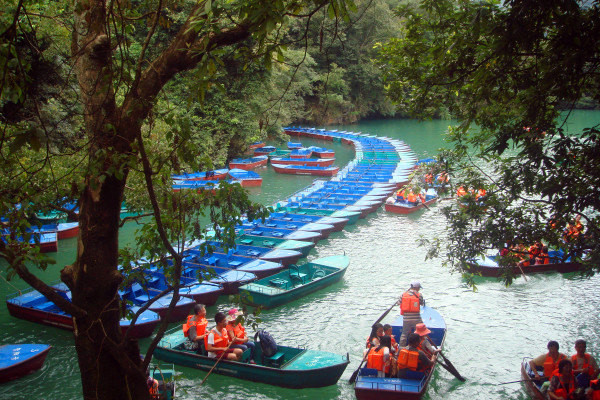
There is a rowing project in Yuanyang Lake, with a fee of 30 yuan per person. Each boat can accommodate up to 6 people and can be shared. If you don't know how to row and are worried about the boat spinning in the lake, you can hire a boatman, with a fee of 60 yuan per boat, which will be shared among the passengers.
Libo is one of the national sanitary counties, with a clean and tidy small town, spacious streets, and a beautiful night view illuminated by bright lights. It is also the hometown of Deng Enming (1901-1931), a representative of the First National Congress of the Communist Party of China and the founder of the Communist Party organization in Shandong.
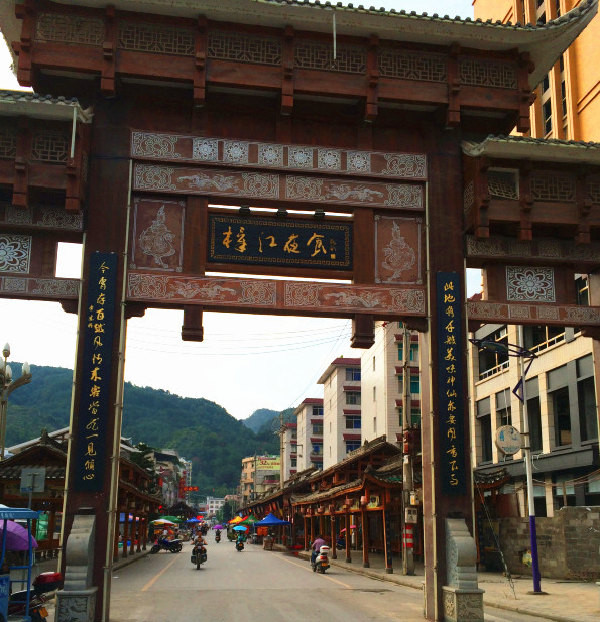
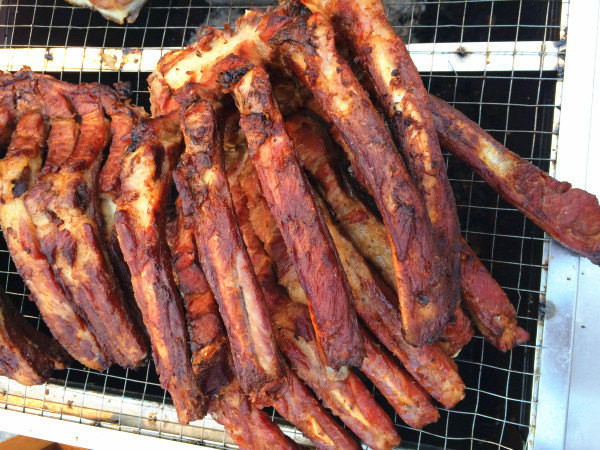
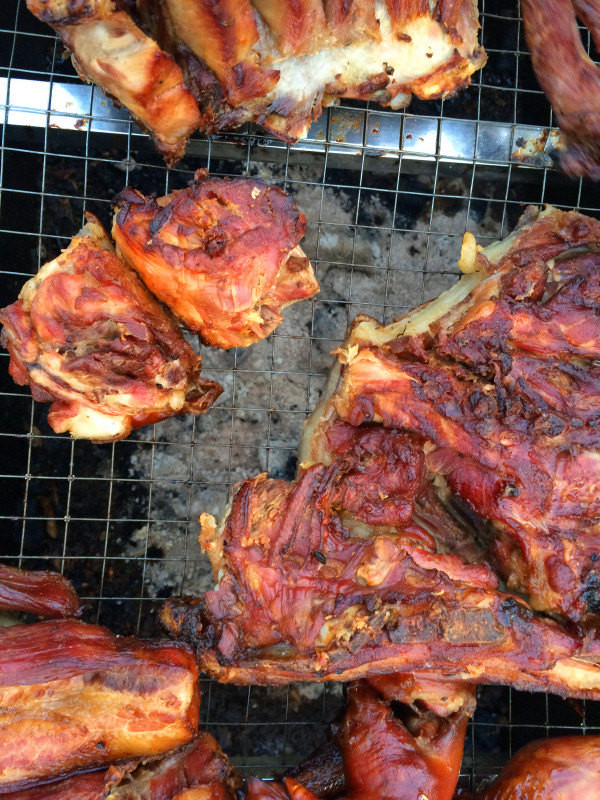
In Libo, you don't have to worry about food, entertainment, or accommodation. The only thing you might regret is booking a day too late. The beautiful Zhangjiang River and the Seven Small and Large Arches will become your hospitable hosts. In Libo's food street, barbecue is one of the highlights. The entire street is almost filled with barbecue stalls. We tried roasted pork, which I described as "inexpensive and delicious". The street specializes in roasted pork, and you can smell the aroma of barbecue even before entering. In the car, Tour Guide Chen introduced us specifically to Libo's barbecue snacks, especially roasted pork. Seeing is believing, and today has truly broadened my horizons.
Day 5
2015-09-07
The Daxiujiong Scenic Area is located in the south of Liupu County, 25 kilometers away from the county seat. It got its name because there is a seven-hole bridge on Mengtang River in Wangmeng Township. The bridge is 7 meters high, 4.5 meters wide, 35 meters long, and spans east-west.
Transportation: There are many buses from the Liupu County bus station to Daxiujiong and Xiaoxiujiong. The journey takes about 40 minutes. There are also buses from Xiaoxiujiong to Daxiujiong.
Admission Fee: The admission fee for the off-season is 45 yuan (from December 1st to the end of February), and the admission fee for the peak season is 55 yuan. The boat ticket is 20 yuan per person, and the scenic area accident insurance is 5 yuan per person.
Opening Hours: Daxiujiong and Xiaoxiujiong: 7:00 - 17:30
The Daxiujiong Scenic Area mainly features the original forest, canyon, underground river, and underground lake. The landscape is spectacular and mysterious, with a grand and imposing style. Especially the Fengshen Cave, Terror Gorge, and Diemu Palace attractions, there are waterfalls inside the caves, lakes under the waterfalls, and windows on the lakes. The sunlight projects shapes like the sun, moon, and stars, which is extremely thrilling, mysterious, and unique. Tour guide Chen Ping told us that there is a strange thing about Daxiujiong. If you shout loudly in the gorge, the echo will cause sand and stones to fly and move, which is a truly amazing sight.
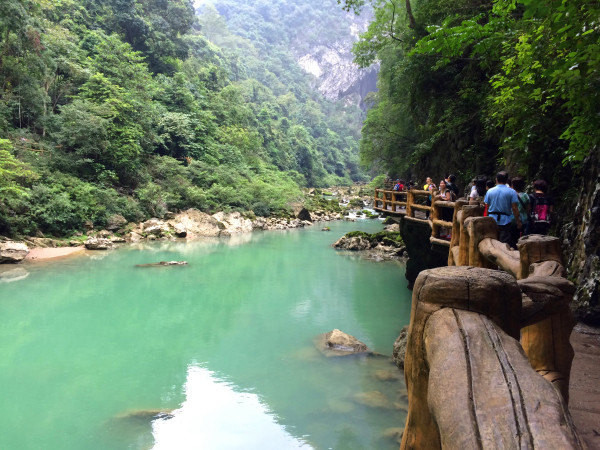
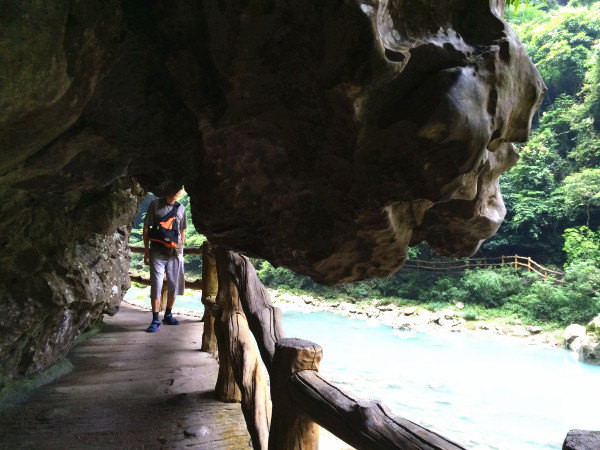
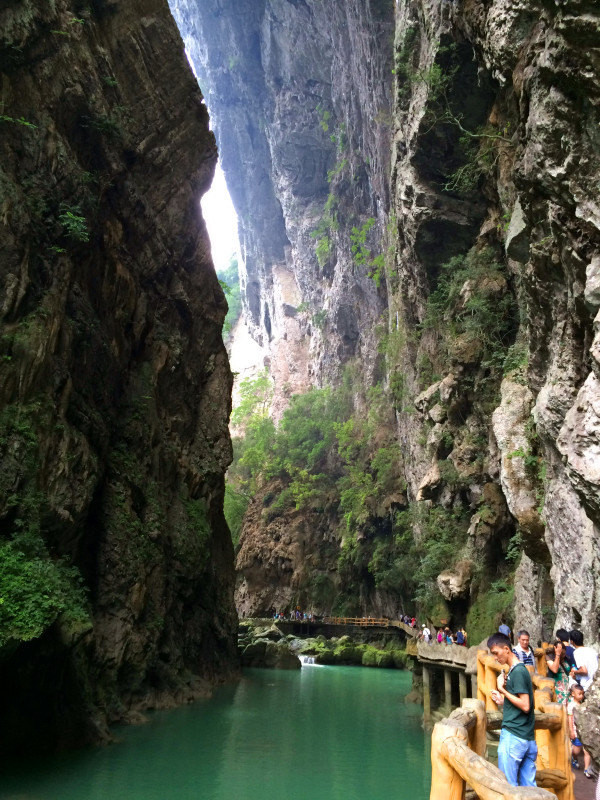
Ascending upstream from the Big Qiaokou Bridge, one is greeted by a long Heavenly Valley. Within the valley, there are numerous towering cliffs and steep walls, with mist swirling around.
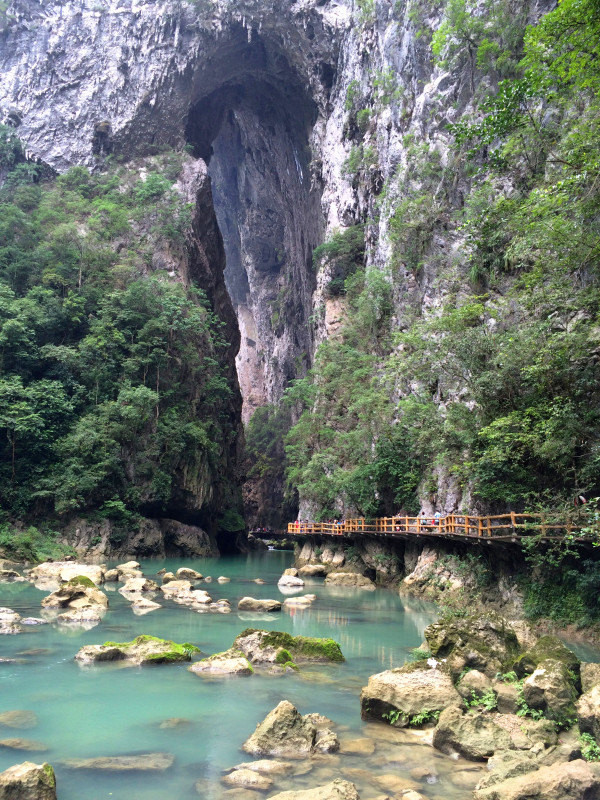
The naturally formed bridge spanning the river, which is over 100 meters high and several dozen meters wide, is hailed by experts as "the Eastern Triumphal Arch shaped by the power of nature". Looking at it, one feels a sense of reverence and is overwhelmed by the power of nature.
Guizhou is a revolutionary base area. The sites of Liushan Pass and the Zunyi Conference evoke people's boundless reverie about the revolutionary history. In those passionate times, the red regime and the arduous and heroic breakthroughs are still vividly before our eyes. The long road ahead and the busy military life. In just a few days in Guizhou, yet the mountains and waters of the plateau region still evoke an indescribable emotional resonance to this day.